

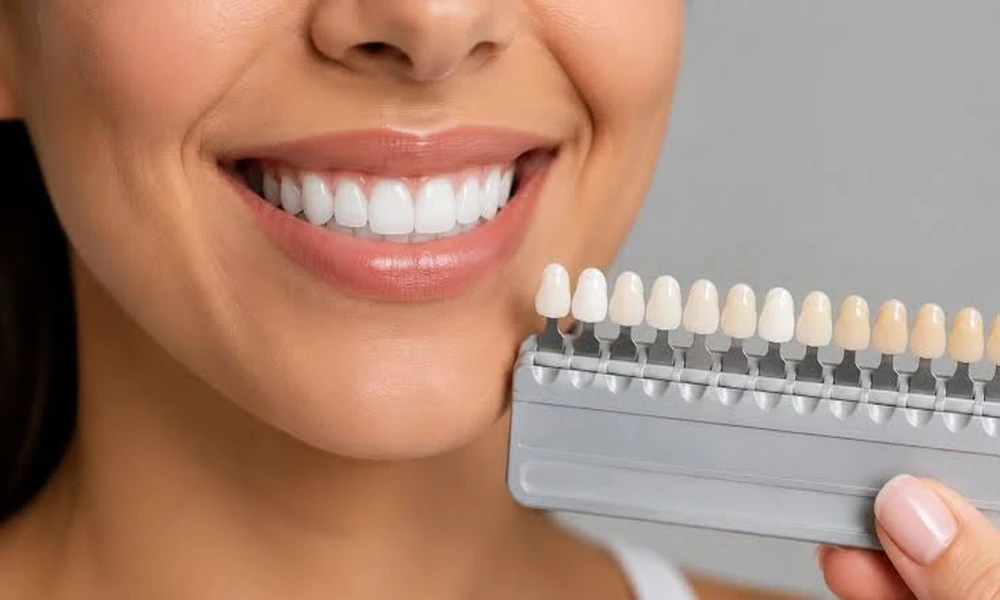
You brush, you floss when you remember, and you still catch yourself looking at your teeth in the mirror, wondering why your smile does not feel as healthy or as polished as you want. At a family dental office in Ann Arbor, MI, maybe your gums bleed a little. Maybe coffee has left stains that whitening strips never fully touched. Maybe one tooth is chipped, or your breath feels off by midday, and it chips away at your confidence more than you admit out loud.
That tension is real. Most people do not want a smile that is only attractive or only functional. You want both. You want teeth and gums that stay strong, and you want a smile that looks clean, even, and cared for. That is where a general and cosmetic dentist often makes the biggest difference. The best care does not treat health and appearance like separate goals. It blends them, because healthy enamel, balanced gums, and good habits are usually what make a smile look better in the first place.
Healthy gums shape a better-looking smile
Many people focus on teeth color first, but the frame around your teeth matters just as much. Swollen or receding gums can make even straight, white teeth look uneven. Gum disease can also start quietly. You may notice tenderness, bleeding when you brush, or persistent bad breath and assume it is minor. It is not minor if it keeps progressing.
The CDC explains that gum disease can damage the tissues and bone that support your teeth. That is the health side. The beauty side is just as personal. Gums that are inflamed or pulling back can change your whole smile line. Dentists who blend function and appearance look at both, because treating the inflammation often improves comfort, color, and symmetry at the same time.
Daily oral hygiene habits protect enamel and reduce staining
It is frustrating when your smile looks dull even though you are trying. Usually, the issue is not effort. It is the gap between basic habits and effective ones. Brushing too hard can wear enamel. Skipping floss leaves plaque between teeth where stains and gum irritation build up. Mouth dryness from stress, medication, or breathing through your mouth can make everything worse.
The National Institute of Dental and Craniofacial Research shares oral hygiene guidance that supports the basics people often rush through, including brushing twice a day with fluoride toothpaste and cleaning between teeth daily. Those habits are not cosmetic fluff. They help prevent decay, protect enamel, and keep surfaces smoother so stains are less likely to cling.
This is one reason smile care tips from dentists often sound simple. Simple does not mean small. The right routine done well beats an expensive fix done too late.
Professional cleanings do more than make teeth feel smooth
A cleaning is often treated like maintenance you squeeze in when life allows. Then months pass. Plaque hardens into tartar, stains settle deeper, and small problems stay hidden until they hurt or cost more. A professional cleaning removes buildup you cannot remove at home, and it gives your dentist a chance to spot chips, grinding wear, early decay, or gum changes before they become bigger problems.
For many patients, this is where health and beauty meet most clearly. Teeth look brighter after a cleaning because surface stains come off. Gums look calmer because irritation is reduced. Your smile feels fresher because it is healthier, not because it was covered up.
Cosmetic treatments work best when the foundation is healthy
Whitening, bonding, veneers, and contouring can improve color and shape, but they work best when your mouth is stable. If you whiten teeth while decay is untreated or gums are inflamed, you may end up with more sensitivity, uneven results, or restorations that need to be redone sooner than expected.
A good cosmetic dental care plan usually starts with the less glamorous steps. Cleaning. Examining bite wear. Checking gum pockets. Looking at old fillings. That may not sound exciting, but it is what helps the visible results last. If one front tooth is darker because of trauma, or if a chipped edge changes the way your whole smile looks in photos, targeted cosmetic work can help. It just should not ignore the health story underneath.
At home care and professional dental care solve different problems
| Smile Concern | At Home Care | Professional Dental Care |
|---|---|---|
| Surface plaque | Brushing with fluoride toothpaste and daily flossing help control buildup | Cleanings remove hardened tartar that home tools cannot safely remove |
| Staining | Limiting coffee, tea, tobacco, and rinsing with water after use can reduce new stains | Polishing and whitening options can lift deeper or older discoloration |
| Bleeding gums | Gentle brushing and better flossing technique may reduce irritation if caught early | Exam and periodontal care address gum disease and deeper inflammation |
| Chips or uneven edges | Can only be monitored, not corrected | Bonding or reshaping can restore balance and protect weak spots |
| Bad breath that keeps returning | Hydration and cleaning the tongue may help | Evaluation can uncover decay, gum disease, dry mouth, or other causes |
Small choices each day affect the look of your smile
The CDC offers oral health tips for adults that are easy to overlook because they are so practical. Avoid tobacco. Limit sugary foods and drinks. Drink water. See a dentist regularly. These choices shape what your smile looks like over time. A whitening treatment cannot undo constant enamel wear from acidic drinks. Veneers cannot protect gums damaged by neglected plaque. A polished smile is often the result of boring habits repeated well.
That is why dentist smile care strategies tend to connect appearance with prevention. The goal is not just to make your smile look better for a month. It is to make it easier to keep looking good.
Three steps you can take right now
1. Audit your routine honestly. Brush for a full two minutes twice a day, clean between your teeth daily, and check whether you are brushing too hard. If your gums bleed often, do not ignore it.
2. Pay attention to what keeps coming back. Recurring stains, bad breath, sensitivity, or one tooth that bothers you in photos usually point to a specific issue. Write it down before your next visit so it does not get brushed aside.
3. Book care that addresses health and appearance together. Ask for a plan that covers gum health, cavity risk, wear, and cosmetic goals in the same conversation. That is often where the best long term results come from.
Your smile does not need perfection. It needs support, consistency, and care that respects both how it works and how it makes you feel. A skilled general and cosmetic dentist can help you protect your teeth, calm your gums, and improve the look of your smile in ways that feel natural and lasting. If your smile has been asking for attention, now is a good time to schedule that next step.