

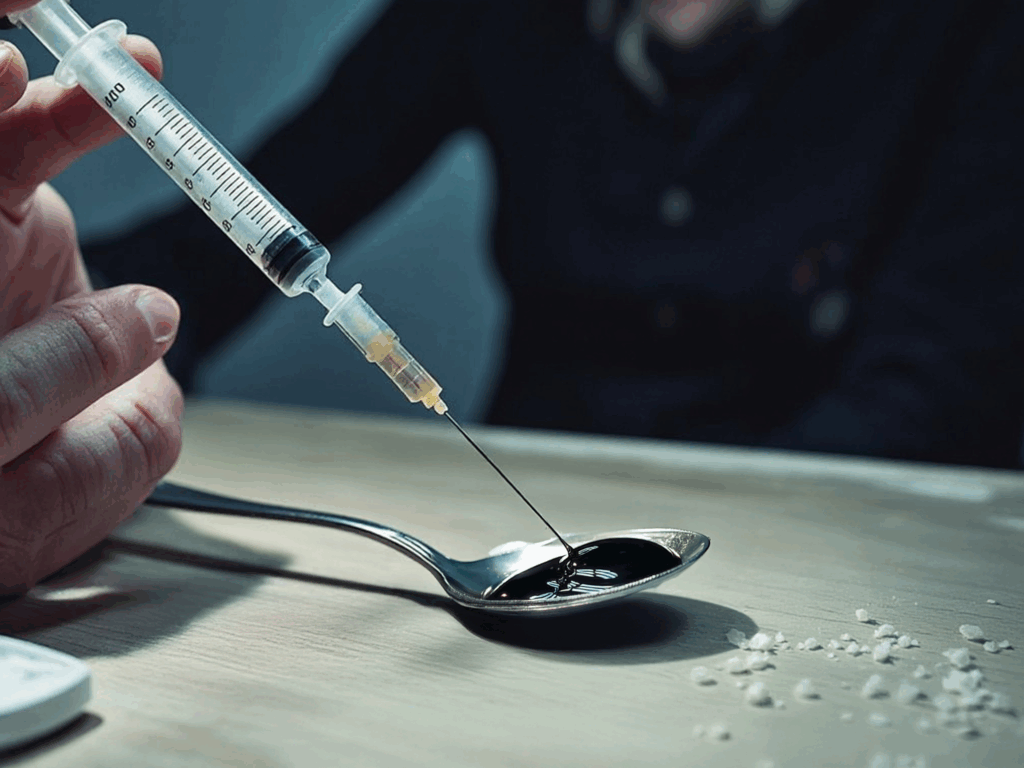
Methamphetamine — commonly known as meth — exerts a powerful and destructive influence on both mind and body. What starts as a surge of energy, euphoria, or escape can quickly spiral into dependency, cognitive damage, and a life dominated by the drug. Breaking that hold is difficult, yet possible through effective treatment and support. This article explores the profound effects of meth addiction and outlines how a proper recovery journey — especially one involving a well‑structured meth recovery program — can bring hope, healing, and a chance to rebuild.
How Methamphetamine Affects Brain and Body
When meth enters the brain, it triggers a flood of dopamine and other neurotransmitters that dramatically intensify feelings of pleasure, energy, and alertness. These sensations are what draw individuals towards repeated use — but they come with heavy costs. Over time, the brain adapts. The natural balance of neurotransmitters becomes disrupted. What once felt like a choice quickly becomes a compulsion.
Physically, meth can inflict a wide range of harm. Users may experience erratic sleep patterns, loss of appetite, rapid heart rate, elevated body temperature, increased blood pressure — all indicators of a system under stress. Extended use can lead to dramatic weight loss, dental deterioration (“meth mouth”), skin problems, and overall deterioration of general health.
Cognitively and emotionally, meth often leaves deeper, more insidious damage. Memory loss, confusion, impaired decision-making, mood swings, anxiety, paranoia, insomnia, and even psychotic symptoms like hallucinations are common among long-term users. Many find their relationships, self-esteem, and sense of identity destroyed — replaced by distrust, fear, isolation, and despair.
Because meth alters the brain’s reward circuits so drastically, cravings and dependency can persist long after the last dose, making sobriety extremely hard to maintain alone.
The Challenge of Withdrawal and Risks of Going It Alone
The first attempt to quit meth often meets a wall of symptoms — both physical and psychological. Within days or even hours of the last dose, a user may begin to experience fatigue, severe sleep problems or oversleeping, intense cravings, anxiety, depression, irritability, and deep mental distress.
These symptoms can last weeks. Many users continue to struggle with mood swings, lack of motivation, and strong urges to use again for weeks or even months after quitting. Without proper support, these feelings can quickly lead back to relapse — especially since meth addiction doesn’t just affect the body, but rewires behavior, brain chemistry, and responses to stress.
Trying to “tough it out” often ends in failure. The withdrawal period is heavy, and the absence of meth leaves a void the brain struggles to fill. That’s why professional, structured treatment matters — addiction is more than willpower.
Recovery: How a Well‑Designed Program Can Help
A solid recovery path begins with medically supervised detox. In a controlled setting, withdrawal symptoms can be monitored and managed, minimizing risk and discomfort — a safer alternative than going it alone.
After detox, therapy becomes essential. Behavioral therapies, such as cognitive‑behavioral therapy (CBT), help individuals understand and challenge the patterns, triggers, and thought processes that drove their meth use. These therapies also work to rebuild coping skills, emotional regulation, and decision‑making — areas often impaired by meth’s impact on the brain.
Because there are currently no medications approved specifically to treat meth addiction, therapy and structured support remain the cornerstone of recovery. For many, gradual reintegration into daily life — supported by aftercare, counseling, peer support, relapse prevention planning — is essential for lasting sobriety.
When recovery services are thoughtfully organized to address the unique needs of each individual — physical detox, mental health care, emotional support, and lifestyle restructuring — they form a foundation that makes a clean, sober life achievable again.
Hope Beyond Addiction: Why Recovery Matters
Living under addiction is living in survival mode — every decision, thought, relationship, and opportunity becomes distorted. But with the right help, it is possible to reclaim life. Through comprehensive treatment, many recoverers go on to rebuild relationships, regain health, rediscover purpose, and restore dignity.
Recovery doesn’t erase the past. The damage to body, mind, and spirit can leave deep scars. But recovery does offer something far more valuable: a chance to heal, to grow, and to build a future that’s not dictated by drug use.
If you or someone you know is struggling with meth, remember: addiction isn’t weakness — it’s a disease. And like any serious illness, it deserves professional care, compassion, and commitment. With a comprehensive meth recovery program, a brighter, healthier future can become real again — one day at a time.