

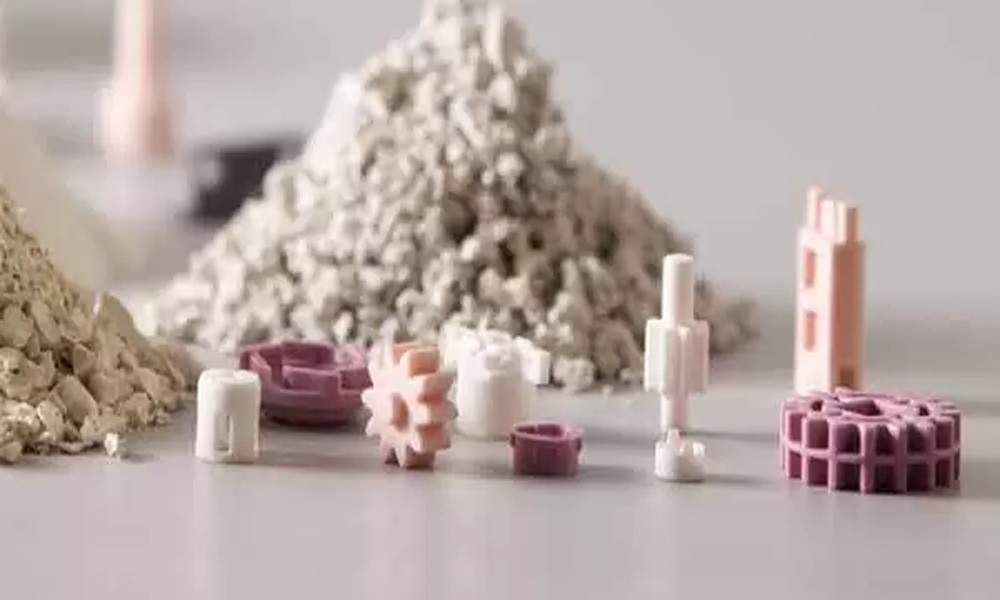
Ceramic injection molding represents one of the most versatile and efficient manufacturing techniques available for producing complex ceramic components at scale. This sophisticated process combines the precision of plastic injection moulding with the exceptional properties of ceramic materials, enabling manufacturers to create intricate parts that would be impossible or prohibitively expensive to produce through traditional ceramic fabrication methods.
Understanding the Process
The ceramic injection molding process begins with the careful preparation of a feedstock, which consists of fine ceramic powder mixed with a thermoplastic binder system. This mixture is heated until it reaches a malleable state, similar to plasticine, and then injected under high pressure into precision-engineered moulds. The process demands exacting attention to detail at every stage, as even minor variations in temperature, pressure, or composition can significantly affect the final product’s quality.
Once the mould cavity is filled, the component is allowed to cool and solidify. The green part, as it is known at this stage, undergoes a debinding process to remove the organic binder material. This is followed by sintering at elevated temperatures, where the ceramic particles fuse together to create a dense, strong component with the desired mechanical and physical properties.
Key Advantages of Ceramic Injection Moulding
The adoption of CIM technology has grown substantially across industries, driven by several compelling advantages:
Design flexibility
The process allows for the creation of highly complex geometries, including undercuts, threads, and thin walls that traditional ceramic forming methods cannot achieve
Exceptional precision
Components can be manufactured with tight tolerances, often eliminating the need for secondary machining operations
Cost-effectiveness for volume production
Whilst initial tooling costs can be substantial, the per-unit cost decreases significantly with larger production runs
Material efficiency
The process generates minimal waste compared to subtractive manufacturing techniques, with excess feedstock typically being recyclable
Consistent quality
Automated production ensures uniformity across batches, reducing variation and improving reliability
Singapore’s ceramic injection moulding sector has particularly excelled in demonstrating these advantages, with facilities achieving remarkable precision levels and establishing the city-state as a regional hub for advanced ceramic manufacturing.
Common Applications
The versatility of ceramic injection moulding has led to its adoption across numerous industries. In the medical sector, manufacturers produce surgical instruments, dental brackets, and biocompatible implants that benefit from ceramics’ exceptional hardness and chemical resistance. The electronics industry relies heavily on CIM for creating insulators, connectors, and substrates that must withstand high temperatures and provide electrical isolation.
Aerospace and automotive engineers specify injection moulded ceramics for components requiring extreme durability and thermal stability. Turbine blades, sensor housings, and fuel injection components represent just a fraction of the applications where ceramics outperform metals and polymers. Even in consumer goods, from high-end watch components to smartphone camera modules, this technology has found its niche.
Material Considerations
Various ceramic materials can be processed through injection moulding, each offering distinct properties suited to specific applications. Alumina provides excellent wear resistance and electrical insulation, making it ideal for mechanical and electronic components. Zirconia delivers superior toughness and strength, particularly valuable in medical and cutting tool applications. Silicon nitride offers exceptional thermal shock resistance, whilst silicon carbide provides outstanding hardness for abrasive environments.
The selection of appropriate ceramic material depends on the intended application’s requirements, including mechanical stress, operating temperature, chemical environment, and desired surface finish. Engineers must carefully balance these factors alongside processing considerations and economic constraints.
Challenges and Solutions
Despite its numerous advantages, ceramic injection moulding presents certain challenges. The initial investment in tooling can be substantial, making the process most economical for medium to high-volume production. The multi-stage nature of the process, particularly debinding and sintering, requires careful control to prevent defects such as cracking, warping, or incomplete densification.
Manufacturers have developed sophisticated solutions to address these challenges. Advanced simulation software enables engineers to optimise mould design and predict potential issues before physical tooling is created. Precise control systems monitor and adjust processing parameters in real-time, ensuring consistent results. Singapore’s ceramic injection moulding industry has been at the forefront of implementing these technological advances, contributing to improved yields and reduced production costs.
Future Outlook
The future of ceramic injection moulding technology appears increasingly promising as industries demand lighter, stronger, and more heat-resistant components. Advances in ceramic powder preparation, binder systems, and sintering techniques continue to expand the boundaries of what is achievable. Integration with digital manufacturing technologies, including additive manufacturing for tooling production, promises to further reduce lead times and costs.
As environmental considerations grow more pressing, the durability and longevity of ceramic components manufactured through this process align well with sustainability goals. Components that withstand extreme conditions and resist wear contribute to reduced replacement frequency and lower overall environmental impact.
For manufacturers seeking to produce complex, high-performance ceramic components with consistent quality and reasonable economics at scale, ceramic injection molding remains an indispensable manufacturing technology.