

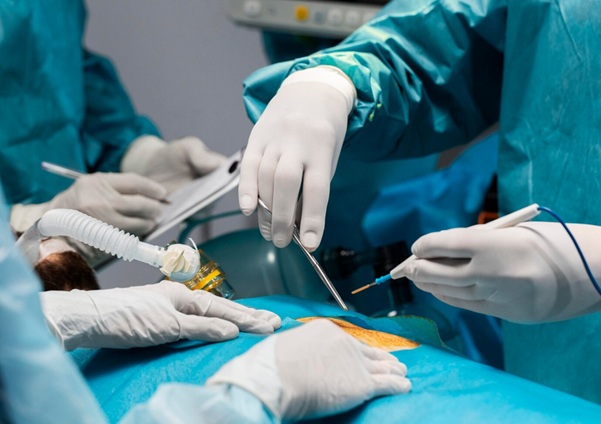
If you have ever doubled over in pain, clutching your side in the middle of the night, you know how kidney stone pain can turn your life upside down. The sharp ache, the endless trips to the bathroom, and the fear that surgery might be next can leave you feeling helpless and anxious. In this guide we will walk you through what causes kidney stones, how to recognise the warning signs, and exactly when and why modern kidney stones surgery may be the safest, most effective way to get back to feeling like yourself again. By understanding each step of the journey, you can face treatment with confidence and take control of your kidney health.
What Causes Kidney Stones?
Kidney stones are hard deposits that form when certain substances in the urine, such as calcium, oxalate, or uric acid, become too concentrated. Understanding what causes kidney stones can help individuals take steps to prevent them and recognise warning signs early.
Common Risk Factors
Several factors can increase the likelihood of developing kidney stones:
- Dehydration: Not drinking enough water makes urine more concentrated, which encourages stone formation.
- Family or personal history: A family history of kidney stones raises the risk.
- Medical conditions: Obesity, digestive diseases, urinary tract infections and metabolic disorders can all contribute.
- Medications and supplements: Overuse of certain medicines, such as diuretics or calcium-based antacids, may play a role.
- Age and gender: Men are more likely to develop kidney stones than women, and risk increases with age.
How Diet and Lifestyle Play a Role
Daily habits can greatly influence the risk of kidney stones:
- Low fluid intake: Staying hydrated helps reduce risk.
- High salt and protein diet: Excess salt or animal protein can increase calcium and uric acid in urine.
- Oxalate-rich foods: Spinach, beetroot and certain nuts contain oxalate, which may contribute to stones.
- Physical inactivity: A sedentary lifestyle can lead to obesity and other issues that raise the risk.
- Excess caffeine or sugary drinks: These may also contribute to some people.
Awareness of these factors makes prevention more manageable. Anyone experiencing kidney stone pain or with a history of stones should seek advice at a reputable hospital in India for evaluation and management.
Types of Kidney Stones
Kidney stones are not all the same. The type affects symptoms, treatment, and the likelihood of recurrence. Knowing the types of kidney stones can help healthcare professionals choose the most appropriate treatment plan.
The main types of kidney stones include:
- Calcium stones: The most common type, usually made of calcium oxalate or calcium phosphate.
- Uric acid stones: Form when urine is too acidic, often linked to a diet high in red meat and seafood.
- Struvite stones: Often related to urinary tract infections and can grow quickly.
- Cystine stones: Rare and caused by a genetic disorder that results in too much cystine in the urine.
Why the Type Matters for Treatment
Identifying the type of kidney stone is important because treatment varies:
- Dietary changes: For example, limiting certain foods for calcium stones or avoiding purine-rich foods for uric acid stones.
- Medication: Some stones can be managed with medicines that adjust acid levels or help dissolve the stone.
- Kidney stone surgery: Larger, stubborn stones, such as certain struvite or cystine stones, may need surgical removal.
- Prevention plans: Understanding the stone’s makeup helps develop a long-term plan to reduce future stones.
Laboratory testing can help confirm the stone type and guide appropriate care at a reputable hospital in India.
How to Recognize Kidney Stone Pain?
One of the main reasons people seek help for kidney stones is the intense pain they cause. Recognising the signs early allows for timely treatment and reduces the risk of complications.
Signs and Symptoms to Watch For
Pain caused by kidney stones can vary, but often includes:
- Severe back or side pain: Usually felt below the ribs and may radiate to the lower abdomen and groin.
- Pain that comes in waves: Pain may increase and decrease as the stone moves.
- Painful urination: A burning feeling may occur when passing urine.
- Discoloured or bloody urine: Urine may appear pink, red or brown.
- Frequent urge to urinate: Some feel the need to urinate more often.
- Nausea and vomiting: Common due to severe pain.
- Fever and chills: May indicate infection and need urgent care.
When Pain May Mean Surgery is Needed
While many stones pass naturally, certain signs may indicate the need for kidney stone surgery, such as:
- Stones too large to pass on their own.
- Pain that persists despite medication.
- Blockage of urine flow, affecting kidney function.
- Repeated infections that do not clear with antibiotics.
- Stones that recur despite non-surgical treatment.
Medical professionals at a reputable hospital can advise when surgery is the safest option.
When is Kidney Stone Surgery Needed?
While small stones often pass with medication and lifestyle changes, kidney stones surgery is sometimes necessary for safe removal.
Cases Where Medication is Not Enough
Surgery may be advised when:
- Stones are larger than 5–10 mm.
- Stones cause blockages or pressure on the kidneys.
- Pain is severe and ongoing.
- Repeated infections occur.
- Certain stones, like cystine or struvite stones, do not respond to medication.
Early intervention helps protect kidney health and prevents complications. Before surgery, doctors may recommend a Kidney Function Test to check how well the kidneys are working and to plan the safest treatment approach.
Common Surgical Options
There are several safe and advanced procedures available for kidney stone surgery, including:
| Surgical Method | How It Works |
| Shock Wave Lithotripsy (SWL) | High-energy shock waves break the stone into smaller pieces that can pass naturally. |
| Ureteroscopy (URS) | A thin scope is inserted through the urethra to locate and remove or break up the stone. |
| Percutaneous Nephrolithotomy (PCNL) | A small incision is made in the back to remove larger stones directly from the kidney. |
| Open or laparoscopic surgery | Rarely used, but may be needed for very large or complicated stones. |
What to Expect During Kidney Stone Surgery
Understanding what happens during kidney stone surgery can help patients and families feel more at ease. Procedures are generally safe when performed by skilled teams at a reputable hospital in India.
Different Surgical Procedures Explained
The type of surgery depends on stone size, location and patient health:
- Shock Wave Lithotripsy (SWL): Non-invasive, breaks stones into small pieces with shock waves.
- Ureteroscopy (URS): Uses a thin scope and laser to remove or break the stone.
- Percutaneous Nephrolithotomy (PCNL): Involves a small back incision to remove stones directly.
- Open Surgery: Used in rare cases for very large or complex stones.
Recovery and Aftercare Tips
After surgery, good aftercare supports healing and helps prevent new stones:
- Take medicines as directed.
- Drink enough fluids to flush out fragments.
- Attend follow-up visits.
- Follow recommended dietary changes to prevent future stones.
- Resume normal activities gradually.
Quality aftercare helps manage kidney stone pain and supports long-term kidney health.
Risks Involved in Kidney Stone Surgery
Although modern procedures are safe, it is important to understand possible risks so patients and families can plan ahead.
Common Risks and Complications
Potential risks include:
- Minor bleeding.
- Infection at the surgical site or in the urinary tract.
- Injury to nearby tissues.
- Small fragments remaining, needing further treatment.
- Repeat procedures in some cases.
Receiving treatment at a reputable hospital in India with experienced teams helps reduce these risks.
Risks Based on Health Conditions
Certain conditions can raise the risk of complications:
- Chronic kidney disease: Requires extra care to avoid damage.
- Diabetes: May affect healing.
- Obesity: Can make surgery more complex.
- Bleeding disorders: May need special precautions.
A full medical check helps the team plan the safest approach.
Possible Side Effects After Surgery
Some temporary side effects may include:
- Mild pain at the surgery site.
- Changes in urination for a few days.
- Small amounts of blood in urine.
- Fatigue during recovery.
Prompt medical advice should be sought for any unusual symptoms.
How to Reduce the Risks of Kidney Stone Surgery
Preparation and follow-up care help minimise complications and support a smooth recovery.
Choosing an Experienced Surgeon and Hospital
An experienced medical team is key for safe kidney stone surgery. A reputable hospital in India should provide:
- Modern surgical facilities.
- Skilled surgeons with experience in various procedures.
- Complete diagnostic, treatment and recovery services.
Following Pre-Surgery Instructions
Good preparation lowers risk:
- Complete necessary tests and scans.
- Adjust or stop certain medicines if advised.
- Follow any fasting or dietary guidance.
- Manage existing conditions well.
Post-Surgery Care and Monitoring
Proper aftercare helps patients recover and prevent new stones:
- Take prescribed medicines.
- Stay hydrated.
- Attend all follow-up appointments.
- Follow diet or lifestyle changes to reduce the chance of future stones.
- Return to normal activities gradually.
Good follow-up care detects complications early and supports a quicker, safer recovery.
Conclusion
Understanding what causes kidney stones, recognising kidney stone pain, and knowing when kidney stone surgery is needed can help patients make informed choices about their health. While most stones can be managed with simple measures, some cases require advanced treatment from an experienced team. Choosing a reputable hospital in India ensures access to skilled specialists, modern technology, and complete support from diagnosis to recovery. With the right care and follow-up, patients can recover well, reduce future risks, and return to daily life with confidence.