

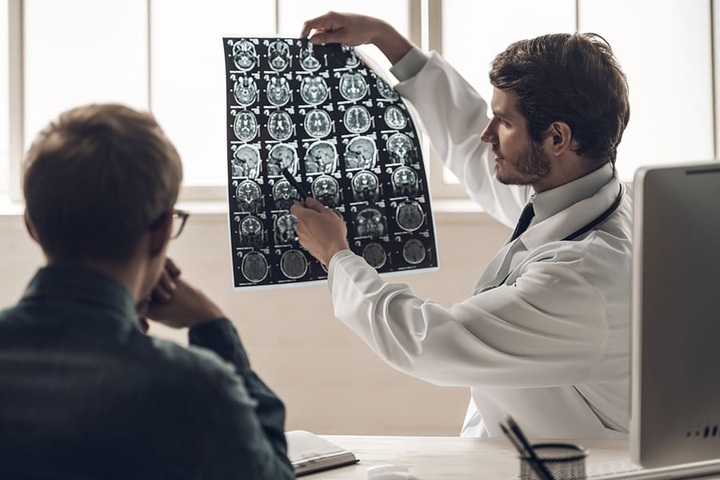
Brain injuries can be life-changing, affecting everything from memory and focus to physical abilities. When these injuries are caused by an accident, proving their severity in court is essential for receiving fair compensation. Doctors rely on advanced medical tests to confirm the presence and extent of a brain injury. In Phoenix, courts depend heavily on these medical reports to determine the outcome of personal injury cases.
Why Medical Tests Are Crucial in Legal Cases
Phoenix brain injury lawyer teams usually stress the importance of medical evidence. Brain injuries are not always visible, making them harder to prove compared to broken bones or cuts. Courts rely on test results to verify claims and assess the impact on the victim’s life.
Without proper medical documentation, it’s challenging to connect the injury to the accident. Detailed test results give judges and juries the information they need to understand the seriousness of the injury. This is why timely and thorough medical evaluations are so important.
CT Scans and Their Role
One of the first tests performed after a head injury is a CT scan, which stands for computed tomography. This imaging test uses X-rays to create detailed pictures of the brain, revealing bleeding, swelling, or fractures. It’s usually used in emergencies to quickly identify life-threatening damage, especially in busy trauma centers like those in Phoenix.
CT scans are especially helpful in detecting acute injuries that require immediate treatment. The results are considered strong evidence in court because they show visible changes in the brain. In Phoenix personal injury cases, having a CT scan as part of your medical documentation can significantly support your claim. While CT scans can’t always reveal long-term damage, they provide a solid starting point for diagnosis.
MRI Scans for Detailed Imaging
Magnetic resonance imaging (MRI) is another common test for brain injuries. Unlike CT scans, MRIs use magnetic fields and radio waves to produce high-resolution images of brain tissues. They are better at detecting subtle injuries, such as small tears or bruising, inside the brain.
MRIs are typically ordered when symptoms persist, but CT scans don’t show apparent damage. The clarity of these images helps doctors and lawyers alike when building a case. Because MRIs provide more detail, they are frequently referenced during injury claims.
Neuropsychological Testing
Brain injuries don’t always appear on imaging tests, especially when they affect cognitive functions. Neuropsychological testing evaluates memory, attention, problem-solving, and other mental abilities. These tests are conducted by specialists who compare results against standard performance levels.
The results can highlight issues like impaired decision-making or memory loss. In court, these findings help explain how the injury affects daily life and work. Combining these tests with imaging results creates a complete picture of the injury’s impact.
Expert Testimony and Legal Support
Medical evidence alone is not always enough. A Phoenix brain injury lawyer works closely with doctors and expert witnesses to interpret the test results. These experts explain complex medical data in simple terms for judges and juries. Their testimony usually strengthens the connection between the injury and the accident.
Lawyers also use these results to calculate damages, including medical costs, lost income, and long-term care needs. With expert legal guidance in Phoenix, victims can build a strong case supported by scientific evidence and professional opinions. This collaboration ensures that the injured party’s story is heard and validated in court.
Proving a brain injury in court requires both advanced medical testing and skilled legal representation. Tests like CT scans, MRIs, and neuropsychological exams provide critical evidence of damage that might not be visible otherwise. By working with experienced lawyers and medical experts in Phoenix, victims can present a clear, compelling case. This process improves the chances of fair compensation and helps highlight the actual impact of the injury.