

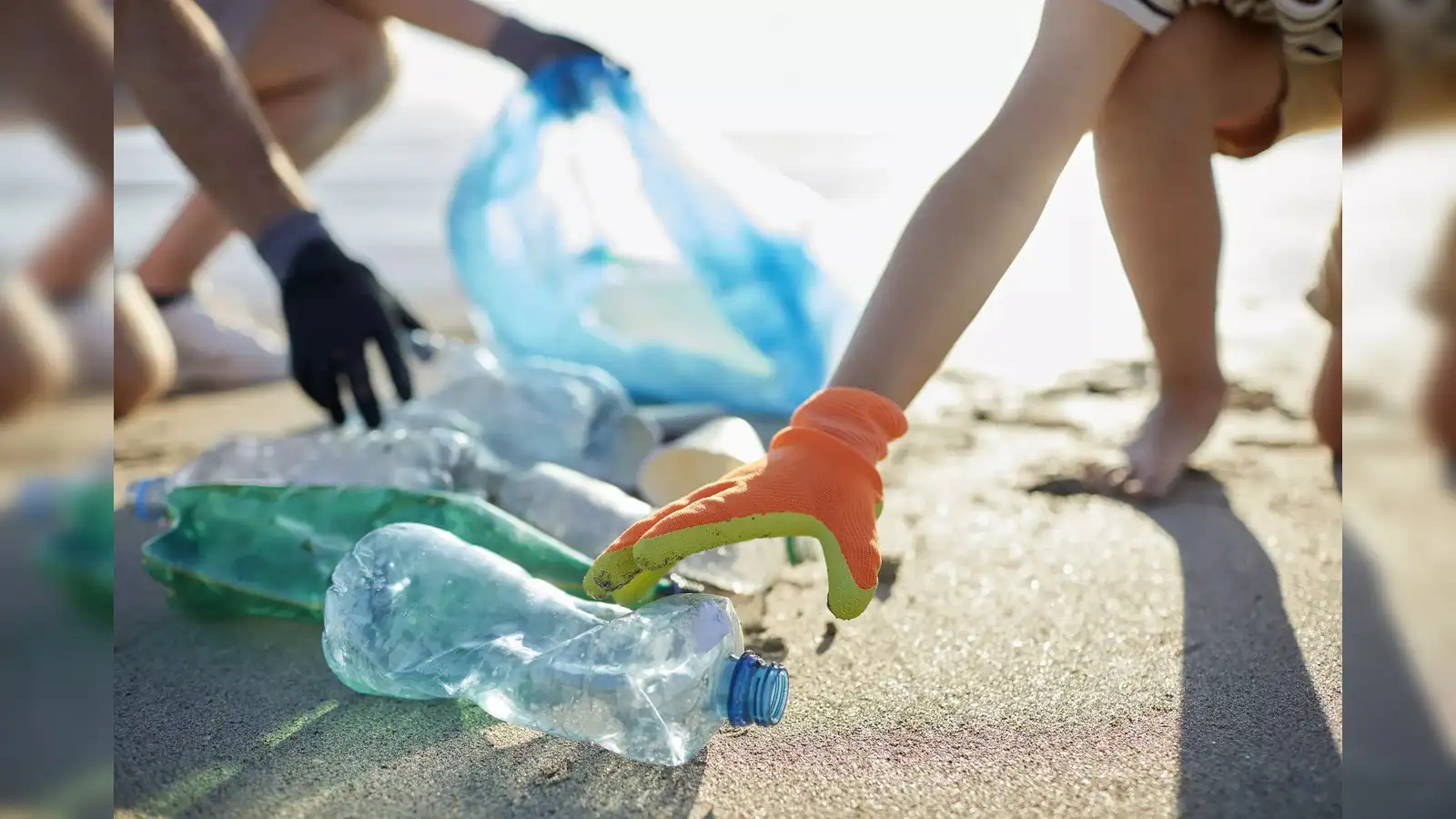
The Plastic Paradox We Face Today
Advanced Recycling represents a critical evolution in how we manage plastic waste, yet the journey begins with understanding a fundamental truth: not all plastics are the same. Walk through any supermarket aisle and you will encounter dozens of plastic types, each with its own molecular personality, its own destiny. Some are destined for rebirth, whilst others face a more uncertain future. This complexity is not merely academic; it shapes the very fabric of our environmental response to one of the modern world’s most pressing challenges.
The Seven Faces of Plastic
Plastics are not a monolith. They are a family, and like any family, each member possesses distinct characteristics. The recycling symbols you see, those numbered triangles, are not arbitrary. They represent seven primary categories, each with unique chemical structures and recycling destinies.
The most readily recyclable include:
PET (Polyethylene Terephthalate)
Your water bottles and soft drink containers, clear and infinitely useful
HDPE (High-Density Polyethylene)
Milk jugs and detergent bottles, sturdy and dependable
PP (Polypropylene)
Yoghurt tubs and bottle caps, heat-resistant and versatile
Then come the more challenging materials:
PVC (Polyvinyl Chloride)
Pipes and packaging, containing chlorine that complicates processing
LDPE (Low-Density Polyethylene)
Plastic bags and wraps, often excluded from kerbside programmes
PS (Polystyrene)
Foam containers and cups, lightweight but problematic
The seventh category simply reads “Other,” a catch-all for everything from polycarbonate to bioplastics, each requiring specialised handling.
Why Traditional Recycling Falls Short
Conventional mechanical recycling, whilst valuable, faces inherent limitations. The process involves sorting, shredding, washing, melting, and remoulding plastics into new products. Yet each cycle degrades the polymer chains, reducing quality. It is rather like photocopying a photocopy; eventually, clarity diminishes.
Moreover, contamination poses a formidable challenge. A single PVC bottle in a batch of PET can compromise an entire lot. Food residue, mixed materials, and coloured plastics further complicate matters. Singapore’s Advanced Recycling initiatives have highlighted how traditional methods can only handle pristine, single-type plastics efficiently, a standard rarely met in the real world.
The Contamination Conundrum
Consider the humble crisp packet. It appears simple enough, yet it typically comprises multiple layers: polyethylene, polypropylene, aluminium, and ink. These materials, fused together for freshness and durability, become nearly impossible to separate using conventional methods. Similarly, black plastics evade optical sorting equipment, and thermoset plastics cannot be remelted at all.
This is where we confront an uncomfortable reality: despite our best intentions, much of what we place in recycling bins cannot be processed through traditional channels. The result? Materials that could theoretically be recovered instead journey to landfills or incinerators.
Advanced Recycling: A Different Approach
Advanced Recycling technologies offer an alternative paradigm. Unlike mechanical recycling, which simply reshapes plastics, these methods break materials down to their molecular components. Chemical recycling, pyrolysis, and gasification can handle contaminated, mixed, and lower-grade plastics that traditional systems reject.
The process works rather like returning to the drawing board. Instead of trying to reshape a compromised material, Advanced Recycling deconstructs plastics to their building blocks, monomers and chemicals that can be purified and reconstructed into virgin-quality materials. This approach sidesteps the degradation problem inherent in mechanical recycling.
Benefits Beyond the Obvious
The advantages extend beyond merely processing difficult materials. Advanced Recycling can:
- Create truly circular systems where plastics return to food-grade quality
- Reduce dependence on virgin fossil fuel feedstocks
- Handle flexible packaging and multilayer materials
- Process coloured and contaminated plastics effectively
Singapore’s Advanced Recycling programmes have demonstrated that these technologies can complement, rather than replace, traditional recycling. Together, they form a more comprehensive solution.
The Path Forward
Understanding plastic diversity is not about inducing despair; it is about fostering realistic solutions. We cannot wish away the complexity of modern plastics, they exist because they serve specific purposes remarkably well. What we can do is match our recycling strategies to this reality.
This requires several shifts in thinking. First, we must invest in sorting and separation technologies that can distinguish between plastic types accurately. Second, we need expanded collection systems that capture materials currently excluded from programmes. Third, we must develop the infrastructure for complementary recycling approaches.
Education plays a crucial role too. When consumers understand which plastics belong where, contamination rates decrease. When product designers consider end-of-life recyclability, we create materials that flow more smoothly through recovery systems.
A Nuanced Solution for a Complex Problem
The plastic challenge will not yield to simple solutions. It demands nuance, innovation, and a willingness to embrace multiple approaches simultaneously. Traditional recycling remains vital for suitable materials, whilst newer technologies address gaps in our capability.
What emerges is not a single answer but an ecosystem of solutions, each addressing different aspects of the problem. This is the essence of progress: recognising complexity, respecting it, and building systems sophisticated enough to match it. The future of plastic waste management lies not in choosing between old and new methods, but in intelligently integrating them, a future where Advanced Recycling and traditional approaches work in concert to close the loop on plastic waste.