

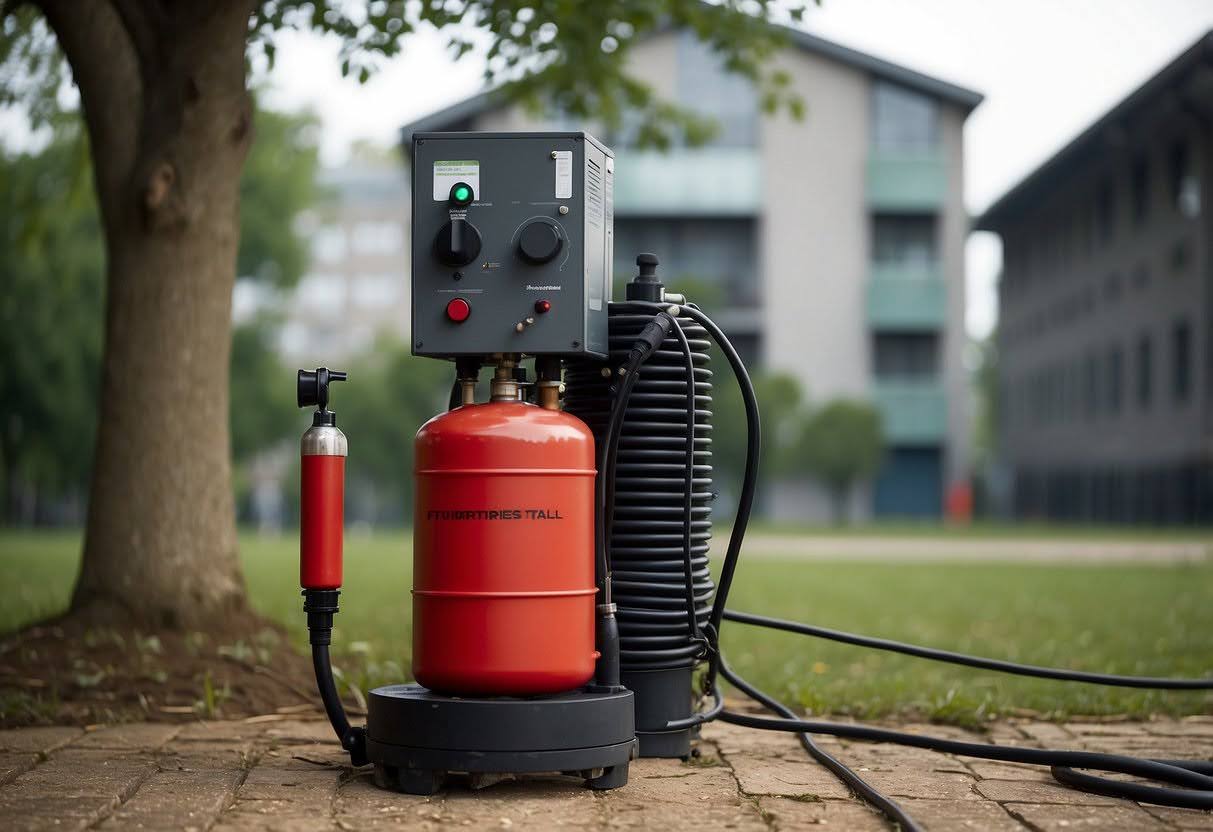
In multi-storey buildings, fire safety depends on more than alarms and sprinklers. One critical system that keeps emergency responders effective is the dry riser. Professionally fitted by specialized Dry Rise Installers, these systems deliver reliable water access to all floors during a fire. For building owners and managers, installing and maintaining a compliant dry riser is not optional—it is vital for occupant protection, regulatory compliance, and insurance coverage. AMSCO offers expert installation and support for dry riser systems throughout the UK.
What Is a Dry Riser System?
A dry riser is a vertical piping network installed in buildings with multiple floors, usually those exceeding a certain height (often above 18 meters or several stories). Unlike wet risers that remain filled with water, a dry riser is kept empty until fire crews connect a water supply at a ground-level inlet. Water is then pumped into the system, reaching landing valves on higher floors so firefighters can connect hoses and fight fires internally.
Dry risers are essential in any tall structure where relying on hose runs from street level would be insufficient. The riser must be designed and installed to allow swift, safe, and reliable deployment in emergencies.
Roles and Responsibilities of Dry Riser Installers
1. System Design and Planning
Installers begin by assessing building layouts, structural constraints, water supply feasibility, and fire brigade access. They then design an optimal pipe route, inlet/outlet valve placement, pressure requirements, and integration with other fire systems.
2. Compliance with Standards
All installations must meet British standards such as BS 9990 (Code of Practice for non-automatic fire-fighting systems). Installers ensure the system complies with building regulations and fire safety codes, including correct pipe sizes, fittings, pressure tests, and valve placement.
3. Installation and Commissioning
Once approved designs are in place, installers mount pipework, install valves, couplings, brackets, and protective casing. After mechanical installation, a water pressure test is conducted (typically 10–12 bar) for a set duration to certify integrity and leak resistance. The system is then commissioned with certification for official acceptance.
4. Testing, Maintenance & Servicing
A key part of a dry riser’s life cycle is regular testing. Installers often offer maintenance plans that include:
- Six-monthly visual inspections of valves, signage, pipe brackets, caps and inlet integrity
- Annual pressure (wet) testing of the system under full pressure to detect leaks or weaknesses
- Repair or replacement of worn components (gaskets, valves, caps)
- Issuance of inspection certificates and reports to satisfy fire safety audits
Proper maintenance ensures emergency readiness at all times.
Why Professional Installers Matter
The difference between a reliable system and a failure under stress lies in expertise:
- Safety and reliability: Specialty installers understand the demands of pressure, fire dynamics, and structural constraints.
- Avoiding liability: Incorrect installations or poor maintenance can lead to system failure, risking life and property—and legal consequences.
- Compliance assurance: Professionals know current standards and work to stay updated, reducing code violations.
- Longevity and performance: A well-installed and maintained system will serve reliably for decades.
AMSCO, for instance, offers “dry riser installers” services through its fire safety division, ensuring structures are protected with robust, compliant systems.
Choosing a Dry Riser Installer
When selecting from among dry riser contractors, consider:
- Accreditations and certifications: Ensure they are registered to install fire-fighting systems and follow BS standards.
- Track record: Look for experience in buildings of similar height or complexity.
- Design capabilities: Ability to perform site surveys, produce CAD plans, and adapt to structural challenges.
- Aftercare and maintenance offerings: Ongoing servicing should be part of the package, not an afterthought.
- Transparent costing and warranties: Clear breakdowns and warranty coverage help protect your investment.
Conclusion
In high-rise or multi-story buildings, fire safety cannot rely on external means alone. A professionally installed and maintained dry riser gives fire and rescue teams vital access to upper floors when every second counts. By engaging skilled Dry Riser Installers such as those provided by AMSCO, facility managers, developers, and property owners ensure compliance, reliability, and occupant safety.
Trust AMSCO’s expertise to design, install, commission, and maintain your dry riser system—securing your building’s fire protection for years to come.