

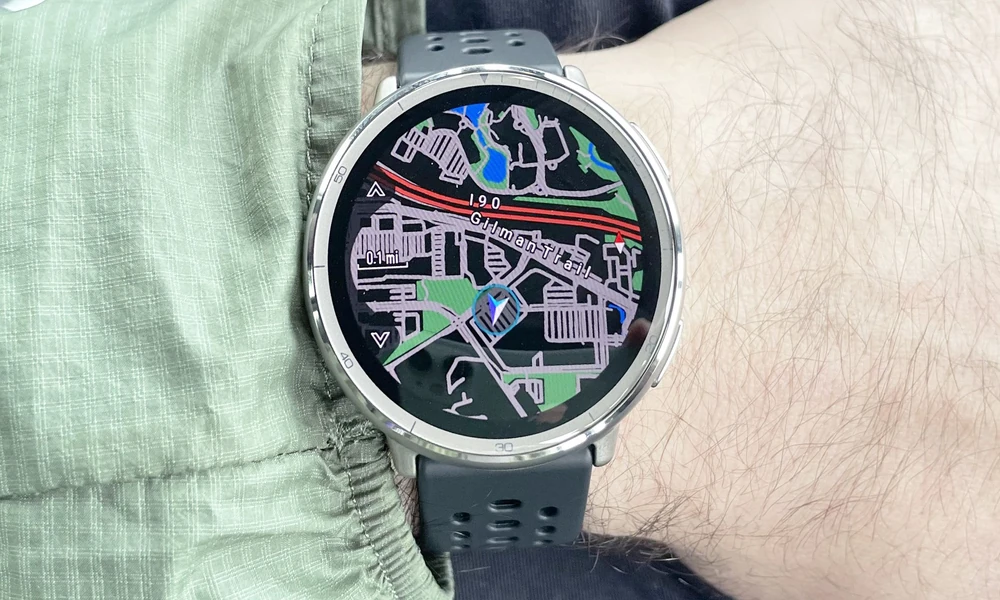
Imagine glancing down at your wrist in the middle of a snowy Canadian forest, your breath visible, your heart rate data glowing on a vibrant screen. The right GPS watch can feel like a superpower. Yet the features that define that experience are shaped entirely by your budget.
Budget Tiers and What They Unlock in GPS Watches
Entry-Level Options Under $400: Essentials and Limitations
At this starting tier, the focus is on reliability over bells and whistles. Watches such as the Forerunner 70 or Instinct E sit around $350 and deliver core GPS tracking, heart rate monitoring, and up to 13 days of battery life. The Forerunner 70 offers a bright AMOLED screen and adaptive training plans, while the Instinct E sticks to a tougher, monochrome display built for harsh conditions. However, you’ll sacrifice features like onboard music and contactless payments. Many buyers in this range opt for discounted last-generation models, which often close the feature gap at a lower price.
Mid-Range ($400 to $700): The Sweet Spot for Most Users
Step into this bracket and the value proposition jumps. The Forerunner 170 and vívoactive 6 introduce smart notifications, Garmin Pay, and in some versions, standalone music support. Battery performance remains strong, and features like solar charging (Instinct 3 Solar) or multi-band GPS (Forerunner 265) make a real-world difference for city runners or trail explorers. Most recreational athletes and fitness enthusiasts find their needs met here.
Premium Range ($700 to $1,100): Advanced Training and Smart Features
Here, serious training and smart tech converge. Watches like the Forerunner 570 and Venu 4 bring in advanced recovery metrics, sleep coaching, and even voice call capability. The Forerunner 970 pushes into pro territory with titanium bezels, ECG, and running economy analysis. If you are tracking more than morning jogs, think triathlons, marathons, or intense backcountry runs, this tier delivers data and durability that matter.
Flagship Models Over $1,100: Ultimate Durability and Navigation
This is where the fenix series dominates. Multi-week battery life, full-color topo maps, sapphire lenses, and dive-rated metal cases set these watches apart. The fenix 8 Pro even offers satellite messaging (with an active subscription), a game-changer for off-grid adventures. Yet, unless you need backcountry navigation or expedition-level resilience, many flagship perks remain unused for casual routines.
Key Features Differentiated by Price
Display Technology: AMOLED vs. Monochrome Screens
Lower-priced models tend to use durable but basic monochrome screens. As you move up, AMOLED appears, offering richer visuals at the cost of battery life. This tradeoff matters if you want always-on, glanceable data that’s easy to read in any light.
Battery Life Variations Across Budgets
Entry models already offer long runtimes; premium and flagship watches simply stretch those numbers further, especially in solar or larger models. Cold conditions, always-on displays, and frequent GPS use all sap battery faster, so smart use matters as much as raw specs.
GPS Accuracy: Single-Band vs. Multi-Band Functionality
In dense cityscapes or under thick tree cover, multi-band GPS found in mid and upper-tier models dramatically improves route accuracy. Entry-level options may cut corners, literally, on your tracked path.
Smartwatch Capabilities: Music, Payments, and Notifications
Smart features like onboard music, contactless payment, and full phone notifications start appearing in the $400 and up segment. Below that, expect streamlined experiences focused on fitness.
Use Case Scenarios Aligned with Budget Choices
The best value comes from matching features to reality:
– Casual Fitness and Everyday Wear: Entry or mid-range (Forerunner 70, vívoactive 6)
– Outdoor and Adventure in Harsh Conditions: Instinct series, especially Solar variants
– Serious Endurance Training: Forerunner 570/970, Venu 4
– Backcountry Navigation & Satellite Comms: fenix 8 or fenix 8 Pro
Durability, Build Quality, and Design Considerations
Wrist size matters as much as budget. A 47mm case on a small wrist can feel unwieldy, no matter the features. Metal and sapphire construction increase cost but bring serious resilience. AMOLED screens dazzle but drain faster; monochrome or MIP displays last longer, especially in cold. Remember, battery performance drops in freezing temperatures, so adjust expectations accordingly.
When and How to Buy: Maximizing Value for Your Budget
Deep discounts surface in November and May. For most buyers, last-generation models deliver better value than paying full price for the latest release. The Forerunner 265 at a sale price frequently outshines a new 570 at retail.
Comparing Garmin’s Lineup: Navigating Naming and Feature Overlaps
With more than 40 models on the market in 2026, naming can feel chaotic. Forerunner targets runners and triathletes, Instinct serves the rugged, vívoactive takes the everyday crowd, and fenix is for explorers and ultrarunners. Model number increments flag new chips or sensors but may not always mean a leap in practical value. If you want a quick sense of which watch fits your needs and budget, resources like GSM Depot Garmin watches offer side-by-side comparisons and up-to-date Canadian pricing.
Practical Tips for Choosing Based on Personal Priorities
Buy for the life you lead today, not the you who plans to run a marathon “someday.” Navigation features matter only if you venture off-grid. Training metrics are powerful, if you will use them. Prioritize comfort, screen readability, and real-world battery over aspirational extras.
Final Thoughts: Buying for Your Current Self, Not Your Future Self
Budget sets the boundaries, but your needs should draw the map. The best GPS watch is the one you’ll wear, use, and trust, whether you’re chasing a PB on suburban streets or finding your way back after sunset in the woods.