

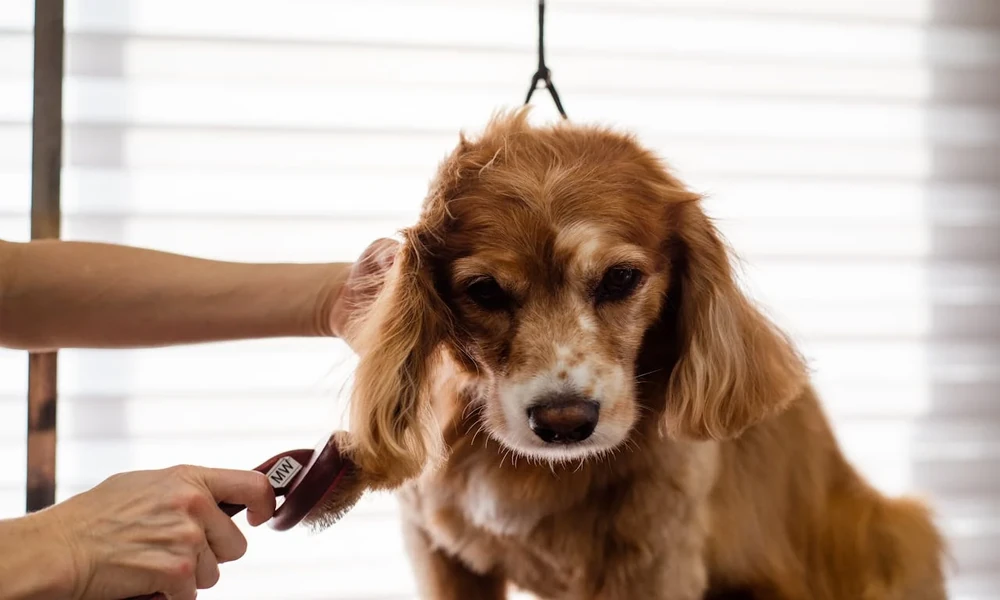
You bring your pet in for vaccines, a limp, an upset stomach, maybe a strange cough that started overnight. What is easy to miss in that moment is how much larger the visit really is. A Louisville vet and animal hospital are not only caring for one dog, one cat, or one family. It is helping reduce disease spread, tracking health patterns, guiding safe antibiotic use, and protecting the people who live close to animals every day.
That matters because pets sleep on beds, lick hands, share yards, and move through parks, neighborhoods, and boarding spaces. When animal health slips, human health can get pulled into it fast. The short version is simple. Animal hospitals help stop small problems from turning into community problems, and they do it through prevention, early detection, treatment, education, and reporting.
Animal hospitals protect both pets and people
A lot of public health starts in ordinary places. A vaccine appointment is one example. Rabies prevention is not just about one pet staying safe. Rabies is a fatal disease, and public vaccination programs are a direct part of community safety. The USDA tracks rabies control as a public safety effort through its national rabies management work, which shows how animal disease control and human risk prevention are tied together.
Animal hospitals also watch for zoonotic disease, which is any illness that can spread between animals and people. That includes rabies, ringworm, salmonella, leptospirosis, and parasites. The CDC explains these connections in its overview of zoonotic diseases and One Health. If your pet has diarrhea after a trip, a skin infection after boarding, or a tick borne illness after hiking, the concern is not only your pet’s recovery. It is whether anyone else in the home could be exposed and what steps reduce that risk.
This is where veterinary hospitals and public health meet in a very direct way. A veterinarian may recommend testing, isolation at home, extra cleaning, parasite control, or avoiding contact between a sick pet and a child, older adult, or someone with a weak immune system. Those instructions are not routine fine print. They are part of disease control.
Early detection at an animal hospital reduces wider community risk
Many health threats do not look dramatic at first. A dog with a mild cough could have a contagious respiratory infection. A cat with weight loss and vomiting could have a condition that affects sanitation and household exposure. A puppy with worms may seem like a common issue, yet some intestinal parasites can spread into the environment and expose other animals and people.
Delays are where things get expensive and messy. One untreated case can become a household outbreak, a kennel problem, or a neighborhood issue if waste, bites, or wildlife exposure are involved. That is why routine exams matter more than most people think. They give animal hospitals a chance to catch patterns early, not just react when a pet is already very sick.
How animal hospitals support community health often comes down to this quiet surveillance role. Veterinary teams notice trends. They may see a spike in tick cases after a warm season, more kennel cough after holiday boarding, or repeated skin infections linked to resistant bacteria. That information shapes prevention advice for many families, not only the one in the exam room.
Responsible antibiotic use strengthens public safety
Antibiotics save lives, but overuse creates resistant bacteria that are harder to treat in both animals and people. Animal hospitals help by choosing the right drug, the right dose, and the right length of treatment instead of handing out antibiotics for every cough, itch, or stomach issue. That can feel frustrating when you want quick relief for your pet, especially if you are tired, worried, and paying for a visit. Still, careful prescribing protects your pet now and helps preserve treatment options later.
Ohio State’s antimicrobial stewardship program explains why this measured approach matters. Resistant infections do not stay neatly contained. They move through homes, clinics, farms, and communities. A good animal hospital treats infection seriously without treating every symptom as an infection.
Prevention through an animal hospital is safer and often less costly
People sometimes put off care because the pet seems mostly fine or the budget is tight. That is real. It is also how preventable issues turn into emergencies. Vaccines, parasite prevention, dental care, wellness exams, and spay or neuter services all play a public health role by reducing disease, injury, and uncontrolled animal populations.
| Situation | Delayed or skipped care | Veterinary care through an animal hospital |
|---|---|---|
| Rabies prevention | Higher risk after bites or wildlife exposure, possible human post exposure treatment | Routine vaccination lowers risk to pets, owners, and the public |
| Intestinal parasites | Contaminated yards, repeat infections, possible spread to people | Testing, deworming, and cleanup advice reduce household and environmental exposure |
| Respiratory illness | Spread in homes, boarding facilities, and dog parks | Early diagnosis, isolation guidance, and treatment limit transmission |
| Antibiotic use | Wrong medication or unnecessary use can add to resistance | Targeted treatment supports recovery and better long term public safety |
Public health and animal care depend on what happens at home too
An animal hospital can do a lot, but home habits matter just as much. Missed doses, half finished antibiotics, skipped vaccines, poor waste cleanup, and late follow up visits all weaken the safety net. If you have ever looked at a medication label and felt unsure, or wondered whether one missed preventive dose really matters, that reaction is common. It does matter, and asking for clear instructions is part of responsible care.
Animal hospital teams also help after bites, scratches, and wildlife contact. They can guide you on quarantine rules, wound concerns, vaccine status, and when local reporting may be needed. Those moments are stressful because they raise two fears at once. You worry about your pet, and you worry about your family. Good veterinary guidance steadies both.
Three steps you can take right now
Schedule preventive care before there is a crisis. Keep vaccines, parasite prevention, and wellness exams current. Prevention is one of the clearest ways to support public health and animal safety.
Report unusual symptoms and exposure fast. Call promptly if your pet has a bite wound, sudden cough, diarrhea, neurologic signs, or contact with wildlife. Early reporting gives the hospital a chance to reduce risk before it spreads.
Follow treatment and hygiene instructions exactly. Finish prescribed medications, clean litter boxes and waste areas safely, wash hands after handling sick pets, and keep contagious animals separated when advised.
Animal hospitals are part of the public health system
When your pet gets care, the benefit reaches further than your own home. Animal hospitals help prevent outbreaks, lower bite and rabies risks, slow antibiotic resistance, and catch diseases that move between animals and people. That work is quiet, steady, and easy to overlook until something goes wrong.
If your pet is due for care or showing signs of illness, do not wait for the problem to grow. Reach out to a trusted animal hospital and get clear guidance on the next step.