

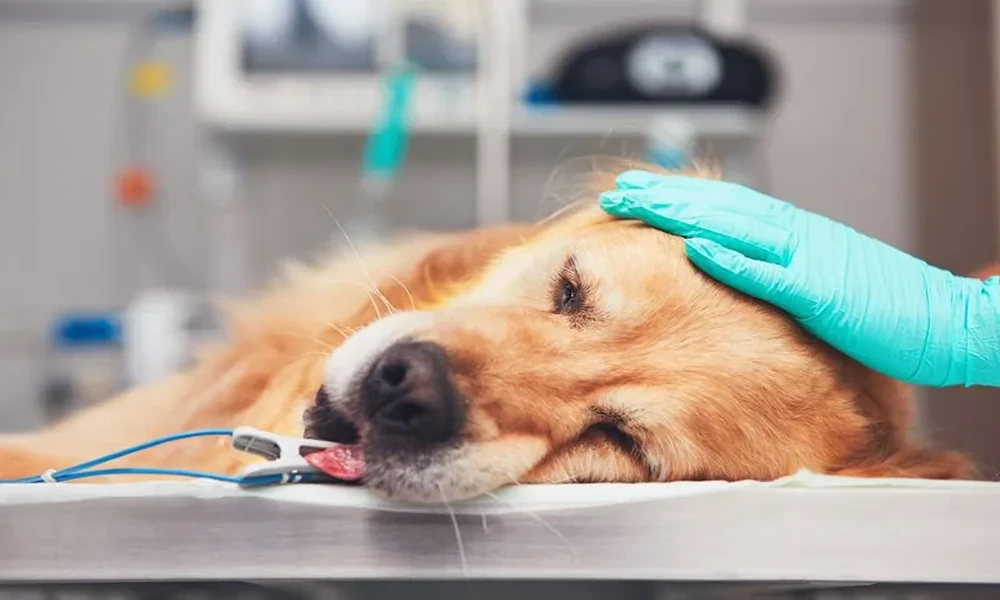
If your pet needs surgery, a dental procedure, or even advanced imaging, anesthesia is often the part that keeps you up at night. You hand over a family member who cannot tell anyone if something feels wrong, and that loss of control can sit heavy in your chest. Most pet owners are not worried about the procedure alone. They are worried about what happens while their dog or cat is asleep, whether someone will notice a change fast enough, and how a veterinary clinic providing veterinary care in Westerville keeps them safe from start to finish.
The reassuring truth is that modern anesthesia is not a matter of giving a drug and hoping for the best. Good clinics use trained staff, monitoring equipment, pre anesthetic planning, and constant hands on observation to track your pet’s heart, breathing, blood pressure, oxygen levels, temperature, and depth of anesthesia the entire time. That is the center of pet anesthesia monitoring, and it is what turns a scary unknown into a controlled medical process.
Veterinary anesthesia monitoring starts before your pet is asleep
Monitoring does not begin in the operating room. It starts with your pet’s exam, health history, and lab work. Age, breed, weight, heart function, liver health, kidney disease, airway shape, and current medications all affect which anesthetic drugs a veterinarian chooses and how closely certain systems need to be watched.
A short faced dog with a narrow airway does not carry the same concerns as a young healthy cat coming in for a routine spay. A senior dog with a heart murmur may need a different anesthetic plan than a puppy having a mass removed. That planning matters because anesthesia is never one size fits all. According to the University of Illinois, veterinary anesthesia involves careful preparation, drug selection, and monitoring to lower risk and support a safer recovery.
You may hear terms like premedication, induction, intubation, maintenance, and recovery. Each stage has its own risks, and each stage is monitored. Premedication helps reduce stress and pain before anesthesia begins. Induction is when your pet is brought to sleep. Intubation places a breathing tube to protect the airway and deliver oxygen and anesthetic gas. Maintenance keeps the right anesthetic depth during the procedure. Recovery is when many owners think the danger is over, but pets still need close watching as they wake up, regulate body temperature, and regain normal swallowing and breathing patterns.
Continuous monitoring during anesthesia protects against fast changes
Pets under anesthesia can change quickly. Blood pressure can drift down. Breathing can become too slow or too shallow. Body temperature can drop. Heart rhythm can shift. The point of monitoring pets under anesthesia is to catch those changes early, before they become emergencies.
That is why clinics use both people and equipment. Machines help measure numbers, but a trained veterinary team member is still watching gum color, chest movement, pulse quality, jaw tone, reflexes, and overall anesthetic depth. A monitor can beep when oxygen levels fall. A skilled technician may notice a problem even sooner by seeing a change in breathing pattern or hearing a subtle shift in the heart sounds.
Common tools used during veterinary anesthesia monitoring include pulse oximetry to measure oxygen saturation, capnography to measure carbon dioxide in exhaled breath, blood pressure cuffs, electrocardiograms to track heart rhythm, and thermometers or temperature probes. Many clinics also use IV catheters and fluids to support circulation and give rapid access if medications are needed.
Specialty and teaching hospitals often go even deeper, especially for high risk pets or long procedures. The University of Illinois describes veterinary anesthesiology services that focus on advanced pain control, tailored anesthetic plans, and close perioperative monitoring for complex cases.
What veterinary teams watch throughout anesthesia
| What is monitored | Why it matters | What a change can signal |
|---|---|---|
| Heart rate and rhythm | Shows how the heart is responding to anesthesia, pain, and blood flow changes | Too slow, too fast, or irregular beats may mean anesthetic depth, pain, or cardiac stress needs attention |
| Oxygen saturation | Shows whether enough oxygen is reaching the blood | Low readings can point to airway, breathing, or circulation problems |
| Carbon dioxide levels | Helps assess breathing quality and ventilation | High or low values can mean breathing is too shallow, too slow, or mechanically ineffective |
| Blood pressure | Supports organ perfusion, especially the brain and kidneys | Low pressure can reduce blood flow to organs and needs prompt correction |
| Body temperature | Pets often lose heat during anesthesia | Low temperature can slow recovery and affect circulation and drug metabolism |
| Anesthetic depth | Balances comfort and safety | Too light may allow movement or pain response, too deep can depress breathing and circulation |
This is where the human side matters. If your pet is having a routine dental cleaning, the clinic is not treating it as routine in a careless sense. They are still adjusting heat support, checking the airway, reading monitor values, recording trends, and responding in real time. If your pet is older or has chronic illness, that vigilance becomes even more important because small shifts can matter more.
Safe anesthesia in veterinary care depends on recovery monitoring too
Many complications linked to anesthesia happen during recovery, not just during the procedure itself. A pet may wake up too slowly, become disoriented, have trouble maintaining body temperature, or need extra pain support. Cats may hide distress. Dogs may whine, paddle, or try to stand before they are ready. A breathing tube is usually removed only when the team believes your pet can protect their airway well enough.
This part often gets overlooked when owners think about safe anesthesia in veterinary care. Recovery is still active medical care. Good clinics continue to check temperature, pulse, breathing, pain, and alertness until your pet is stable.
Three steps you can take before your pet’s anesthetic procedure
Ask who monitors your pet during anesthesia. You want to know whether a trained veterinary technician or dedicated staff member is assigned to watch your pet continuously, not just the surgeon moving between tasks.
Ask what equipment and protocols the clinic uses. A solid question is whether they monitor blood pressure, oxygen, carbon dioxide, heart rhythm, and temperature, and whether pre anesthetic blood work is recommended for your pet.
Share every health detail, even if it seems minor. Coughing, snoring, past drug reactions, supplements, seizures, vomiting, and changes in appetite all matter. Small details can change the anesthetic plan in a useful way.
Knowing how veterinary clinics monitor pets throughout anesthesia can ease some of the fear
You are not overreacting for being nervous. Anesthesia asks you to trust people with a life you love. The good news is that careful monitoring, trained staff, and individualized planning give veterinary clinics multiple ways to spot trouble early and respond fast. That is what good anesthetic care looks like in a veterinary clinic, and it is why asking smart questions before a procedure is part of protecting your pet.
If your pet has an upcoming procedure, talk with your veterinary clinic about their anesthesia monitoring process and recovery protocols so you know exactly how your pet will be watched every step of the way.