

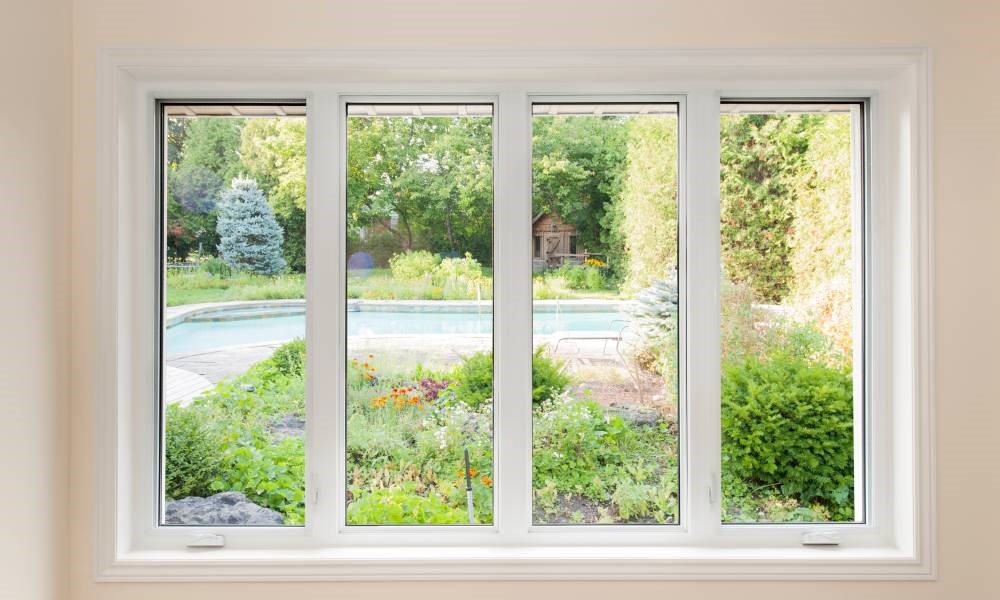
Casement windows bring clean lines, generous airflow, and a modern feel to any home, but their long-term performance depends heavily on how they are installed. Many homeowners focus on style and material, yet overlook the installation process that ultimately determines durability and comfort. Proper casement windows installation is not just a finishing step in construction or renovation. It is a technical process that ensures the window operates smoothly, seals tightly, and withstands everyday use. When installation is rushed or poorly executed, small mistakes can lead to drafts, leaks, hardware strain, and premature wear.
Understanding how installation influences performance allows homeowners to appreciate the value of precision work. Every measurement, adjustment, and seal plays a role in preventing common issues that can otherwise become costly repairs. When installed correctly, casement windows deliver the functionality they are designed for: reliable ventilation, energy efficiency, and effortless operation.
The Role of Precision in Preventing Structural Problems
One of the most overlooked aspects of window performance is how closely installation affects structural stability. Casement windows rely on hinges and crank mechanisms that demand exact alignment. Even a slight tilt or uneven spacing can introduce stress points that gradually weaken the hardware. Proper casement windows installation begins with accurate measurement and preparation of the opening. Installers must confirm that the frame is square, level, and structurally sound before placing the window.
If the opening is uneven, the window may twist under pressure. This can cause binding when opening or closing, which many homeowners mistake for defective hardware. In reality, the issue often traces back to improper positioning. Shimming and leveling correct these irregularities, allowing the sash to move freely without resistance.
Structural precision also prevents long-term warping. Seasonal temperature shifts cause building materials to expand and contract. A correctly installed window accommodates these changes without compromising its shape. When installation is careless, movement within the frame can loosen fasteners or distort the sash. Over time, this leads to rattling, poor sealing, and operational difficulty.
Another benefit of careful alignment is improved load distribution. Casement windows often feature large panes of glass, which add weight to the sash. Proper support ensures this weight is evenly carried by the hinges and frame. Without that balance, hardware fatigue becomes inevitable. A well-executed installation prevents this gradual stress buildup, extending the lifespan of both the window and its components.
Sealing Techniques That Stop Drafts and Moisture
Air and water infiltration are among the most common complaints related to window performance. These issues almost always point to inadequate sealing. During casement windows installation, sealing is not a single step but a layered process designed to create a protective barrier. Flashing, insulation, and sealants work together to defend against environmental exposure.
A tight seal begins before the window is even placed. Flashing directs water away from vulnerable edges, preventing moisture from entering the wall cavity. Without this protective layer, water intrusion can lead to hidden damage such as mold growth or wood rot. Once the window is positioned, insulating materials fill small gaps around the frame. This insulation reduces airflow while preserving the window’s alignment.
Balancing Insulation Without Distorting the Frame
Applying insulation requires careful judgment. Too little insulation leaves pathways for drafts, while excessive expansion can push against the frame. This pressure may alter the window’s shape, affecting how it closes. Skilled installers understand how to strike the right balance, creating a tight seal without compromising structure.
Exterior and interior sealants provide the finishing defense. These materials block moisture penetration while allowing slight movement caused by temperature fluctuations. When sealing is performed correctly, the window maintains consistent thermal performance. Homeowners experience fewer drafts, more stable indoor temperatures, and improved energy efficiency.
Proper sealing also protects interior finishes. Water infiltration can stain walls, damage trim, and weaken surrounding materials. By preventing these issues at the installation stage, homeowners avoid the cascading repairs that often follow unnoticed leaks.
Operational Reliability Through Correct Hardware Alignment
Casement windows are designed for smooth, controlled movement. Their crank systems and locking points depend on exact positioning to function properly. Improper installation can throw this alignment off, creating friction or uneven pressure. When homeowners feel resistance while operating a window, it is often a sign of misalignment rather than hardware failure.
During installation, repeated testing ensures that the sash opens fully and closes with consistent pressure. Locks should engage effortlessly, creating a secure seal without forcing the mechanism. This attention to detail prevents premature wear on moving parts. A window that operates smoothly from day one is far less likely to develop mechanical issues.
Hardware alignment also influences security. Casement windows typically feature multi-point locking systems designed to create a tight closure. If the frame is not square, these locks may not engage evenly. Over time, this weakens the seal and reduces the window’s protective function. Proper casement windows installation ensures each locking point connects as intended, preserving both safety and insulation.
Routine use amplifies small installation errors. A slightly misaligned hinge may function adequately at first, but repeated operation increases strain. Eventually, components loosen or fail. Correct installation minimizes these stresses, allowing hardware to perform within its intended limits.
Long-Term Performance and Comfort Benefits
A correctly installed casement window does more than function smoothly. It contributes to the overall comfort and efficiency of the home. Tight seals limit unwanted air exchange, helping heating and cooling systems maintain stable indoor temperatures. Reduced drafts translate to improved comfort, especially during seasonal extremes.
Noise control is another subtle advantage. Gaps or poor sealing allow exterior sounds to penetrate more easily. Proper installation creates a more effective barrier, enhancing the quiet atmosphere inside the home. This benefit becomes especially noticeable in busy neighborhoods or urban settings.
Durability is the ultimate measure of installation quality. Windows endure constant environmental exposure, from sunlight to heavy rain. A secure, well-sealed installation shields vulnerable areas from damage. Homeowners who invest in precision installation often experience fewer maintenance issues and longer service life.
Visual appeal also depends on correct placement. A window that sits flush and level enhances the finished look of a room. Misaligned installations can create uneven trim lines or visible gaps that detract from the design. Attention to detail during installation ensures the window integrates seamlessly with surrounding materials.
Proper casement windows installation is the foundation for preventing many of the issues homeowners encounter with poorly fitted windows. Structural alignment protects hardware and glass, sealing techniques guard against drafts and moisture, and careful testing ensures reliable operation. These elements work together to deliver a window that performs as intended, providing comfort, efficiency, and durability for years. When installation is approached with precision and patience, casement windows become a lasting improvement rather than a recurring maintenance concern.