

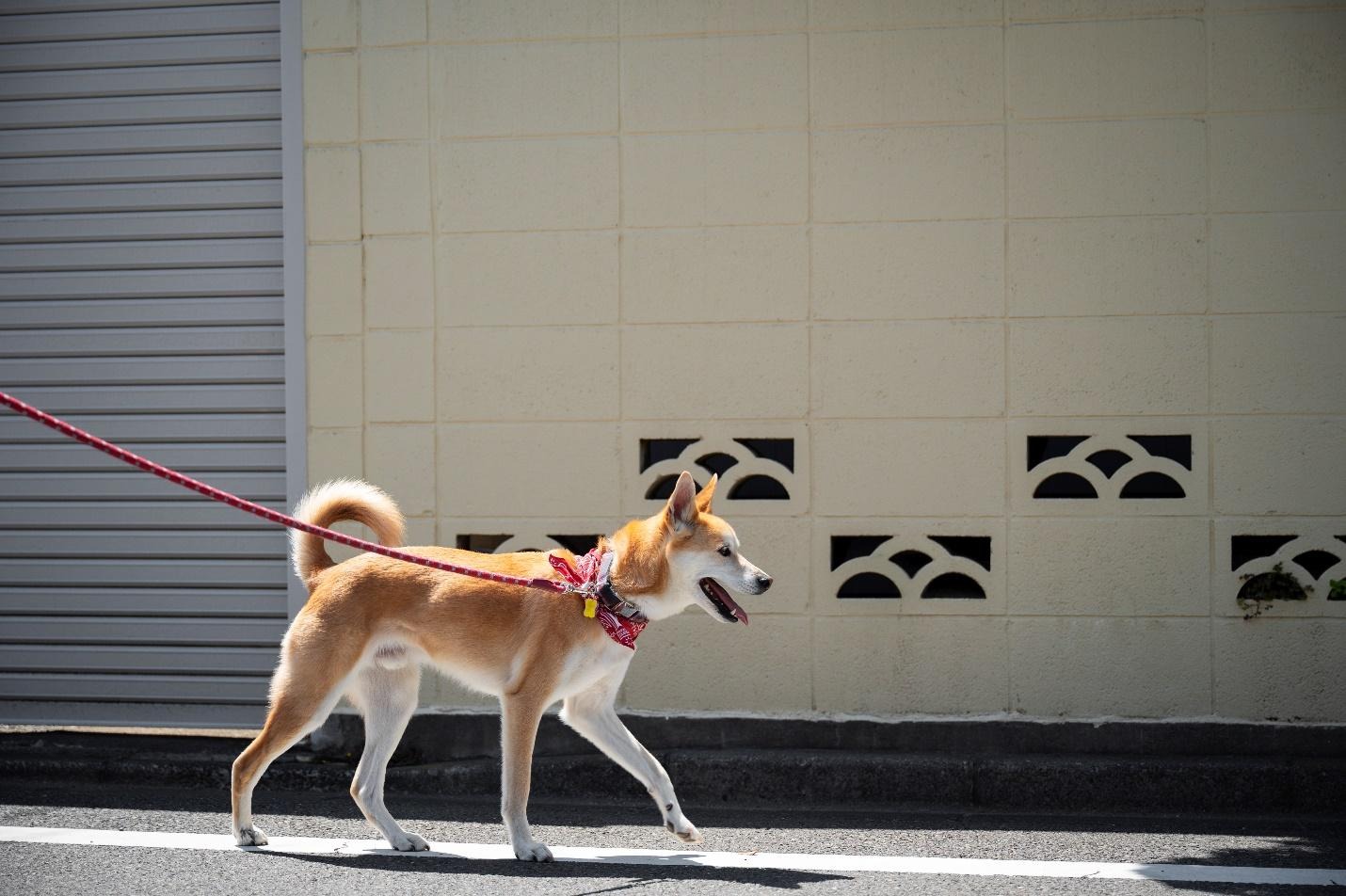
When you have a fluffy animal in your house, what do you think about first? You had a thought of training them so they can understand and communicate with you better. “Sit,” “stay,” “come” these aren’t just commands; they are the basis of clear communication and a strong, joyful relationship between you and your dog. Training a dog is one of the most rewarding parts of being a pet owner, but it can also be frustrating if you don’t know where to start.
Every dog is different. Some learn quickly, while others need more time, patience, and repetition. With the right approach, any dog can learn good habits. Dog training is really about communication. Your dog wants to understand you, but it needs clear signals and positive guidance. These simple tips and tricks will help you train your dog in a calm, effective, and friendly way.
1. Start With the Basics
Every dog should learn basic commands like sit, stay, come, and down. These commands make the basis structure and help your dog understand other commands. A professional dog trainer always starts with the basics because they form the foundation for all future training.
Keep training sessions short, around 10 to 15 minutes. Dogs learn best in small sessions that are repeated daily. Always use a calm voice and reward your dog immediately when it follows a command. Use the same words and signals every time so your dog doesn’t get confused.
2. Use Positive Reinforcement
Positive reinforcement is one of the most effective training methods. This means rewarding good behavior instead of punishing bad behavior. Rewards can include treats, praise, toys, or playtime. When your dog does something right, reward it right away.
Positive behaviors help your dog connect the behavior with the reward. A dog trainer will tell you that punishment often causes fear, which can slow down learning. Encouragement and patience help your dog feel confident and eager to learn.
3. Be Patient and Consistent
Training doesn’t happen overnight. Some dogs learn commands quickly, while others take more time. Patience is essential. Getting frustrated or angry will only confuse your dog. Consistency is just as important.
Everyone in the household should follow the same rules and use the same commands. If one person allows jumping on the couch and another doesn’t, your dog won’t understand what’s expected. The same pattern of activities with clear, consistent rules helps them behave better.
4. Understand Your Dog’s Behavior
Dogs communicate through body language. Learning to read your dog’s signals can improve training a lot. Signs like tail position, ear movement, and posture tell you how your dog is feeling. If your dog seems distracted, tired, or stressed, it may not be the best time to train. A good dog trainer pays attention to these signals and adjusts training sessions accordingly.
5. Know When to Ask for Professional Help
Sometimes, basic training at home isn’t enough, especially if your dog shows aggression, anxiety, or fear. This is when working with a professional dog trainer can make a big difference. A trainer can identify specific issues and create a training plan tailored to your dog. They also guide owners on proper techniques and help correct mistakes.