

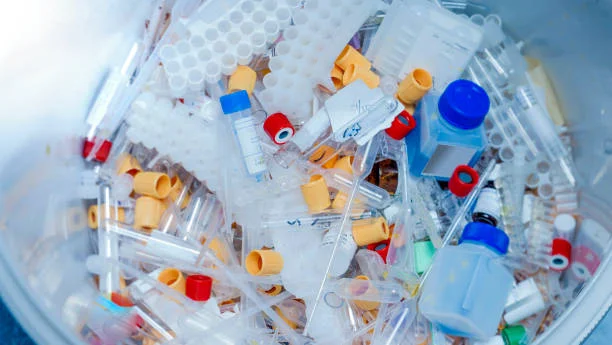
Pathological waste is human parts that were removed during surgeries or autopsies. They require special care for handling and disposal. This type of medical waste is very dangerous and can be infectious. That is why disposal is strictly regulated by both federal and state laws.
Choosing the right virginia pathological waste disposal services is crucial. They are highly sought-after by healthcare facilities, research labs, and mortuaries. It ensures safety and compliance while also supporting environmental responsibility. Facilities should consider the following factors.
Adhering to Waste Disposal Regulations
Check if the disposal company follows all the necessary regulations. This includes state-specific agencies. This is a must if the facility is located in Virginia. The service needs to be licensed and insured. It should also provide documents that show proper disposal methods.
Industry Expertise
Not every medical waste disposal service focuses on pathological waste. This kind of waste usually needs incineration and has specific transport and storage needs. Make sure they have the experience and knowledge. Enquire about the company’s experience with the safe handling and disposal of biological tissues. They should also have well-trained and experienced staff.
Container and Pickup
The disposal company must offer durable, leak-proof containers that are clearly labelled and specifically made for pathological waste. Pickup schedules need to be dependable and adaptable to fit the facility’s requirements. Enquire whether they provide emergency pickups or extra services, too. They should have a good track record of following major disposal procedures.
Disposal and Treatment Methods
Pathological waste usually cannot be treated with the standard methods. Autoclaving is often used for regular biohazardous waste. This is not enough for pathological waste. Most of it needs to be incinerated legally to make sure it is completely destroyed. This helps prevent any harm to humans and the environment. Make sure the company has incineration facilities and follows the best practices for lowering emissions.
Recordkeeping and Waste Monitoring
There should be records of the disposal process. The disposal team should monitor the waste throughout the entire process. This involves monitoring from collection to disposal. They should also have records of their client’s facility’s compliance requirements. These records are important for inspections and audits. They are often requested by health and environmental agencies.
Eco-Friendly Waste Management
Incineration is usually necessary for pathological waste. Healthcare companies still ensure they reduce their impact on nature. Seek out service providers that use modern incineration facilities. These are equipped with pollution controls. Make sure the disposal service provider adheres to sustainable practices whenever they can.
Reliable Support and Clear Communication
The disposal provider needs to be quick to respond, accessible, and ready to answer any questions regarding compliance, scheduling, or safety. A support contact can really help keep things running smoothly. They should be easily reached for questions or concerns through various communication channels.
Conclusion
Picking the right service for disposing of pathological waste is important for safety and regulations compliance. By focusing on the factors above, healthcare providers can make sure that this waste is handled with great care and professionalism.