

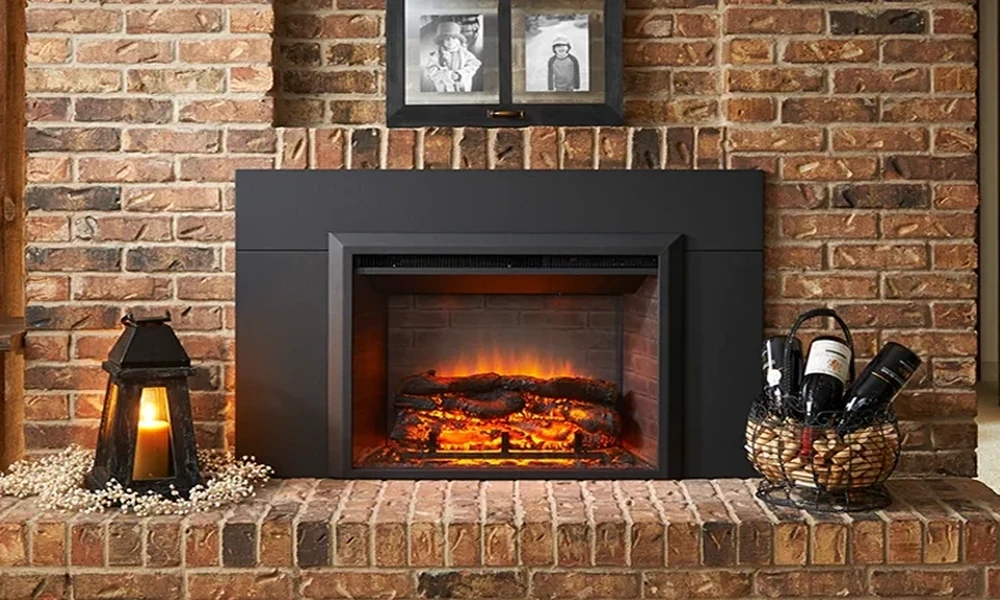
Walk into any house with a working wood fireplace in January and the hearth tells you how often the owners actually burn. A tidy row of fireplace tools without a speck of soot usually means the fire is mostly decorative. A poker with a blackened tip, a shovel worn shiny at the edge and a half-empty log rack mean someone lights a fire most evenings and knows what it takes.
Catalogs make hearth accessories look endless, yet a working fireplace leans on a short list of items used over and over. Some move wood and coals, some protect the room, and a couple exist purely to get ashes out of the house safely. Knowing which pieces earn their spot saves money and clutter.
What Fireplace Tools Come in a Standard Set?
Most sets have four pieces on a stand: a poker, a shovel, a brush and a pair of tongs. The poker is the one you’ll reach for most. It nudges a log that has rolled off the grate, opens a gap so air can reach a smoldering split and breaks up a charred chunk at the end of the night.
Tongs do the lifting. When a split burns through in the middle and the two halves land in awkward spots, tongs let you pick each one up and set it back on the coals. Look for jaws that close firmly on a round log and a grip you can squeeze without straining your wrist.
The shovel and brush handle cleanup. The shovel scoops ash from the firebox floor, and the brush sweeps stray ash and bark off the hearth stone before it gets tracked onto the rug. Natural bristles generally cope with warmth better than cheap synthetic ones, which can melt against a live coal.
Length matters more than looks. Tools of roughly 30 inches or a little longer keep your hands well clear of the heat, while short decorative sets put your knuckles too close to the flames. Solid steel or wrought iron outlasts thin hollow tubing, which bends the first time you lever a heavy log.
Which Fireplace Hearth Accessories Help a Fire Burn Better?
The grate is the foundation. It lifts logs off the firebox floor so air can flow underneath, which is why a fire on a grate catches faster and burns cleaner than one built flat on the bricks. Choose one sized to the firebox, with a few inches of space at the back and sides, made from heavy bar steel or cast iron that won’t sag after a season.
Andirons do a similar job with more presence. They come as a pair, each with an upright front post and a bar that holds logs off the floor. They suit older homes and wide fireplaces, and some people set a grate between them.
Bellows sound old-fashioned, but they remain among the fireplace hearth accessories experienced burners keep within reach. A few gentle pumps aimed at the base of the coals can revive a fire that has sunk low, without another round of kindling.
How Should You Keep Firewood Indoors Without Making a Mess?
Among hearth accessories, a log holder is about convenience and cleanliness. Keeping a day or two of dry, split wood inside means nobody has to walk out to the woodpile in the dark. A canvas or leather carrier doubles as the tote you fill outside and the bin by the hearth.
Keep the indoor supply modest. Firewood carries insects and loose bark, and a big stack in the living room quickly becomes a dust trap. Fire safety guidance also calls for keeping anything that can burn at least three feet from a fireplace, so the log holder belongs off to the side and well clear of popping sparks.
Why Should a Fireplace Screen Be Used Every Time You Burn?
Wood pops. Pockets of moisture and sap inside a split turn to steam, and when they burst they can throw a glowing ember onto a rug or a wood floor. A sturdy screen catches those sparks before they leave the hearth, and the National Fire Protection Association (NFPA) lists a screen among its basic precautions for anyone using a fireplace.
Folding panel screens fit most open fireplaces and move aside easily when you reach in with the fireplace tools. The mesh should be fine enough to stop small embers, and the screen should cover the whole opening without gaps at the edges.
Heat-resistant gloves belong with the other fireplace hearth accessories. A long leather or aramid glove that reaches the forearm lets you reposition the screen or grab a wayward log without a burn. Families with toddlers often add a hearth gate, because the stone and screen frame stay hot long after the flames are gone.
How Do You Dispose of Fireplace Ashes Safely?
Ash disposal is where a surprising number of house fires begin. Coals buried under a layer of gray ash can stay hot enough to start a fire for days after the hearth looks dead. Every winter, fire departments respond to porch fires started by a paper bag of ashes someone believed were cold.
Advice from the NFPA and local fire departments lines up closely:
- Let ashes sit in the firebox for as long as you reasonably can, ideally several days, before removing them.
- Scoop them into a metal container with a tight-fitting metal lid, and keep paper bags, cardboard and plastic bins out of the process entirely.
- Set the closed container outdoors on a noncombustible surface, at least ten feet from the house, garage, deck and woodpile, as many fire departments advise.
- Keep the household vacuum away from ashes, since a hidden ember can ignite the dust inside the machine.
A lidded ash bucket with its own small shovel is one of the least expensive hearth accessories you can own and probably the one that does the most good. Wetting the ashes first adds another margin of safety.
How Often Should Fireplace Tools Be Cleaned or Replaced?
Fireplace tools need only a quick wipe each week during the burning season and a closer look once a year, and a well-made steel set can last for decades. A dry cloth or a little fine steel wool removes soot before it dulls the finish, and singed or thinning bristles mean the brush has done its time. Replace a grate once its bars warp or crack, and check that the ash bucket lid still closes tightly. The yearly chimney inspection that fire safety groups recommend is a good moment to go over the whole hearth before the first cold night.