

Modern homes are designed to make life easier, smarter, and more comfortable. Yet, one important element often goes unnoticed, and that’s lighting. The type of lighting you use every day can affect your mood, sleep, energy levels, and overall well-being. This is where circadian lighting comes in.
Circadian lighting is all about aligning your home’s illumination with your body’s natural biological clock. Just as the sun changes throughout the day, indoor lighting can also shift in brightness and warmth to support your body’s rhythm. From energising mornings to calming evenings, the right lighting setup can help create a healthier and more balanced lifestyle.
Whether you use LED bulbs, layered ceiling lights, or a practical tube light, understanding circadian lighting can completely change how your home feels and functions.
What Is Circadian Lighting?
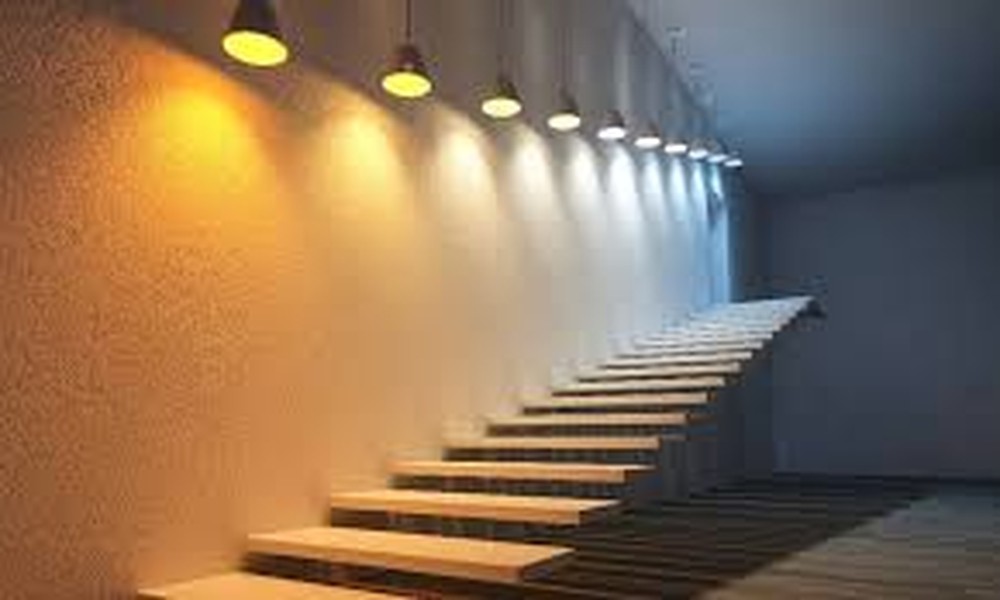
Circadian lighting is a lighting approach that mimics natural daylight patterns indoors. It is designed around the human circadian rhythm, the internal clock that controls sleep, alertness, hormone production, and energy levels. During the daytime, bright and cooler-toned light encourages focus and activity. In the evening, warmer and softer light signals the body to relax and prepare for sleep.
Natural sunlight already follows this cycle:
- Bright, cool light in the morning boosts alertness
- Strong daylight during the afternoon supports productivity
- Warm sunset tones help the body wind down
Circadian lighting simply recreates this natural transition inside your home using modern lighting solutions.
Why is Circadian Lighting Important in Modern Homes
Today, people spend more time indoors than ever before. Long hours under harsh artificial lighting or excessive screen exposure can disrupt sleep patterns and cause fatigue.
A circadian-friendly lighting setup helps:
- Improve sleep quality
- Support better focus during work or study
- Reduce eye strain
- Create a calming home environment
- Promote emotional well-being
Even simple changes like replacing harsh white lighting with warmer LED bulbs during the evening can make a noticeable difference.
How Does Light Affect Your Body Clock
Your body responds strongly to light. Exposure to cool, bright lighting suppresses melatonin, the hormone responsible for sleep. Warm and dim lighting encourages melatonin production and relaxation.
This is why lighting choices should change throughout the day.
Morning Lighting
Morning lighting should feel fresh and energising. Cooler white lighting works best in kitchens, bathrooms, and study areas because it helps increase alertness. Bright ceiling lights combined with natural daylight can make mornings feel more active and productive.
Afternoon Lighting
Afternoon lighting should remain balanced and functional. Moderate brightness supports work, reading, and daily activities without feeling too intense. A combination of natural daylight, tube light fixtures, and layered ambient lighting can keep spaces comfortable throughout the day.
Evening Lighting
Evening lighting should feel softer and warmer. This helps the body transition into rest mode. Warm-toned LED bulbs in bedrooms and living rooms create a calm atmosphere that supports better sleep and relaxation.
Best Rooms for Circadian Lighting
Circadian lighting can be applied throughout the home, but certain rooms benefit the most.
Bedroom
The bedroom should prioritise warm and calming light during the evening. Avoid harsh cool lighting before bedtime. Soft bedside lamps and dimmable LED bulbs help create a more peaceful sleep environment.
Living Room
The living room often serves multiple purposes, from entertainment to relaxation. Layered lighting works best here. Warm ambient ceiling lights paired with softer accent lighting create a cosy and inviting atmosphere in the evening.
Kitchen
Kitchens require brighter lighting for cooking and daily tasks. Cooler lighting during daytime hours improves visibility and energy levels. Functional tube light fixtures can provide even illumination while still supporting a circadian-friendly setup.
Home Office
For workspaces, bright cool-toned lighting helps maintain concentration and reduces fatigue during working hours. Position lighting carefully to minimise glare and support eye comfort throughout the day.
Choosing the Right Lighting for Circadian Balance
Creating a circadian-friendly home does not require a complete renovation. A few thoughtful lighting choices can significantly improve your environment.
Use Adjustable Lighting
Lights with adjustable brightness and colour temperature make it easier to match lighting to different times of the day. Warm light for evenings and cooler light for mornings create a more natural indoor experience.
Layer Your Lighting
Instead of relying on a single bright source, combine different lighting layers:
- Ambient lighting for overall illumination
- Task lighting for focused activities
- Accent lighting for warmth and atmosphere
This approach creates a more flexible and comfortable home environment.
Prioritise Warm Lighting at Night
Bright, cool lighting late at night can interfere with sleep quality. Warm-toned LED bulbs are a better choice for bedrooms and relaxation zones.
Make the Most of Natural Daylight
Natural light remains the best source for supporting circadian health. Keep windows open during the day and use light curtains to maximise daylight indoors. Artificial lighting should complement natural daylight rather than overpower it.
Smart Lighting and Circadian Living
Smart lighting systems are making circadian lighting easier to achieve. Many modern systems automatically adjust brightness and colour temperature throughout the day.
For example:
- Cooler light in the morning for focus
- Neutral lighting during the afternoon
- Warm dim lighting in the evening for relaxation
Even without advanced automation, simple lighting habits can still support your natural rhythm effectively.
Creating a Healthier Home with Light
Lighting does far more than illuminate a room. It influences how you feel, sleep, work, and relax every day. Circadian lighting encourages a healthier relationship between your indoor environment and your body’s natural rhythm.
By thoughtfully using LED bulbs, functional tube light setups, and layered ceiling lights, you can create spaces that feel energising during the day and calming at night. A well-lit home is not just about style or brightness. It is about creating comfort, balance, and wellness through every part of the day.