

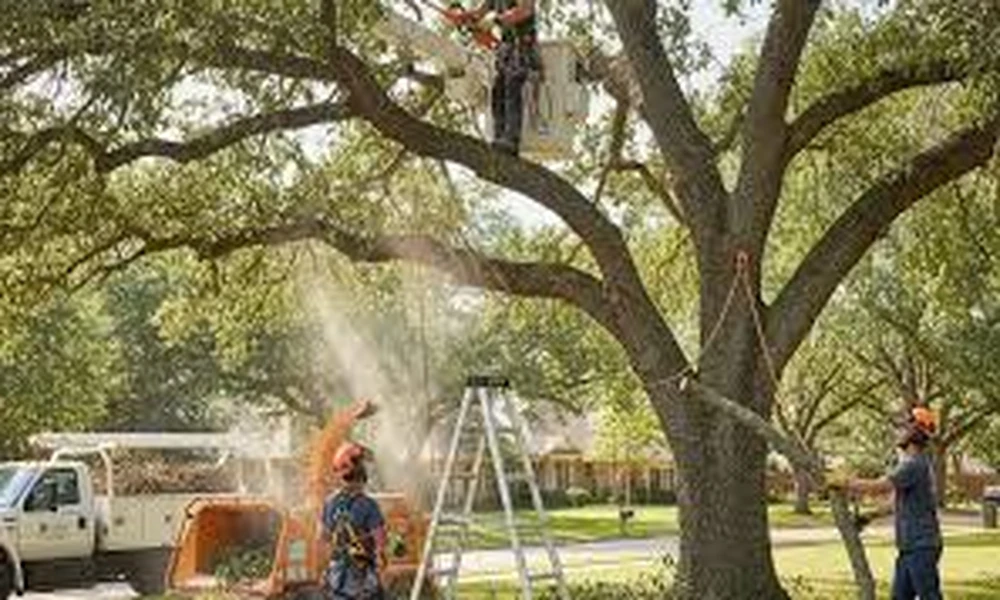
Ask a Singapore arborist what single practice most improves tree health over time, and the answer is usually the same: proper pruning, done at the right time, in the right way. Tree pruning services are not cosmetic. A well-executed pruning programme shapes the structural form of a tree during its formative years, removes hazardous material during its mature years, and extends its productive life well beyond what an unpruned tree typically achieves in Singapore’s demanding climate.
Trees do not naturally develop the branching structure that makes them safe and manageable in an urban environment. In a forest, competition for light drives trees upward with a single dominant leader. In a garden or street setting, with light available from multiple directions and no competition from adjacent trees, branches grow in all directions from an early age. Without guidance through pruning, those branches develop included bark at attachment points, cross and rub against each other, and ultimately create the structural vulnerabilities that fail during a storm.
Understanding Pruning Objectives
Different pruning objectives require different approaches. Crown lifting removes lower branches to increase clearance beneath the canopy, improving pedestrian access, light penetration to the garden below, and sight lines along pathways. Crown reduction reduces the overall height and spread of the canopy, lowering wind resistance and managing the tree’s size relative to its location. Crown thinning removes selected branches from within the canopy to improve air circulation and light penetration without changing the tree’s overall silhouette.
Formative pruning, applied to young trees in the first five to ten years of establishment, is among the most cost-effective interventions in tree management. Removing competing leaders while the tree is young, training the branching structure to a single dominant stem, and clearing crossings and rubbing branches at small diameters prevents the development of structural defects that become expensive to address in a mature tree.
Tree pruning applied correctly uses cuts that promote fast wound closure and minimise decay entry. The position and angle of each cut follows established arboricultural standards, placing the cut just outside the branch collar to preserve the tree’s natural woundwood formation process.
When to Prune in Singapore
Singapore does not have a dormancy period that governs pruning timing the way temperate climates do. Trees grow year-round, which means pruning can be carried out at any time of year without the need to wait for a particular season. What does matter is avoiding pruning that leaves large wounds exposed during peak periods of fungal spore activity, typically associated with prolonged wet weather.
For flowering or fruiting species, pruning timing relative to the flowering cycle matters for productivity. Mango, for instance, should be pruned shortly after fruiting to allow the new growth cycle to produce the mature wood on which the next season’s flowering will occur. Pruning immediately before flowering removes the blossom-bearing terminals.
The Difference Between Pruning and Hacking
Singapore property owners sometimes encounter contractors who offer “pruning” that is better described as aggressive hacking: cutting branches back to stubs without regard for branch collar position, removing large proportions of the live canopy in a single visit, or reducing a tree to a skeleton of major branches in the name of size management.
This approach, sometimes called topping, is widely condemned by arboricultural bodies worldwide. It produces large wounds that cannot close properly, stimulates the production of weakly attached epicormic growth that creates new hazard material, and ultimately shortens the tree’s life by inviting decay at every cut point.
Proper tree trimming services from qualified arborists follow pruning standards that specify maximum removals, proper cut positions, and objectives appropriate to the tree species and situation. The difference in long-term outcome between proper pruning and topping is dramatic and irreversible.
Choosing a Pruning Service
When selecting a tree pruning service, the key indicators of quality are the arborist’s qualifications, the pruning standards they follow, and their willingness to explain what they will do and why before starting work. A qualified arborist will identify the pruning objectives for each tree, specify the methods to be used, and be able to explain why those methods serve the tree’s long-term health.
References from properties with mature trees that have been under the same maintenance programme for several years are the best evidence of what a provider’s pruning approach actually produces over time.
For property owners, estate managers, and commercial facilities teams across Singapore who want trees that are safe, well-structured, and genuinely healthy, professional tree pruning from qualified arborists is the investment that pays dividends in every storm season and for every year of the tree’s remaining life.