

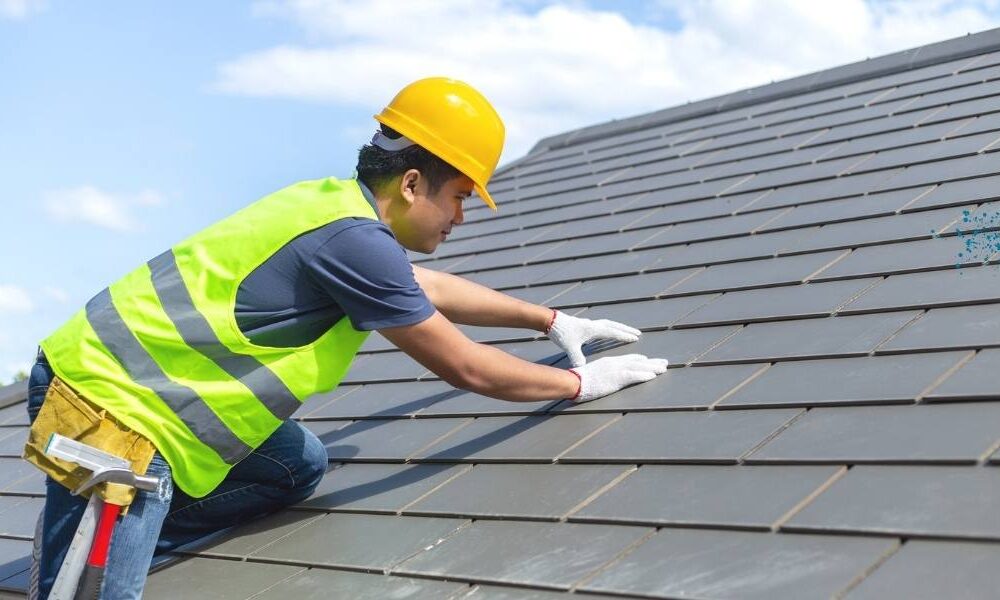
Replacing a roof is a big job that really affects how well a building holds up in the long run. Flat roofs, in particular, demand care and planning to ensure safety, strength, and long-term results. Mistakes in material choice or poor layout can lead to expensive repairs or damage later. That is why skilled handling from the start makes a real difference.
Flat roofing requires proper tools, trained workers, and a clear plan from inspection to finish. When handled by professionals, each step runs smoothly and on time. The results tend to last longer and protect better against local weather and use conditions. Let’s see the benefits of hiring an expert.
-
Trained Teams Work with Precision
Professionals who install flat roofs bring years of fieldwork and learning. This background allows them to spot and avoid design errors or weak points during setup. Their work reflects consistent training in using specific tools, cutting materials to shape, and sealing joins tightly.
Trained teams also follow state building codes without shortcuts. They ensure every layer, from insulation to outer coating, meets quality checks. Their experience leads to cleaner lines, smoother drainage, and stronger protection. Accuracy in layout keeps the roof secure even under heavy rain, heat, or wear.
-
Quality Materials Are Used Correctly
Flat roofs rely on layers that must withstand water, heat, and foot traffic. Professionals understand which materials, such as modified bitumen, PVC, or TPO, suit a site’s needs. They do not just choose high-grade items, they also apply them with care to reduce waste and boost lifespan.
Proper use of sealants, flashings, and underlayers also prevents early wear. Poor placement or skipped steps tend to cause roof cracks or standing water. With experts, each layer bonds well and stays in place, making the system more reliable.
-
Work Is Done Safely and On Time
Roof work carries risks that trained installers know how to manage. Safety steps like edge guards, harnesses, and walkboards help avoid accidents. Workers also carefully move around vents, skylights, or other surface features requiring special steps during setup.
Experienced crews follow clear plans and avoid delays due to missing tools or unclear steps, keeping the project on track. Even when the roof is large or the weather shifts, expert teams stay flexible without cutting corners. Smooth project flow keeps costs in check and avoids long site disruptions.
-
Support Is Available After Installation
Such roofing does not end once the surface is complete. Ongoing checks and service matters to keep the system strong. Most expert teams offer service plans or inspections after setup to check for signs of wear. This early action stops damage before it spreads.
If a fix is needed, having the same team return ensures faster, better help. They know how the roof was built, what products were used, and what areas may need extra care. That direct support helps reduce repair time and cost over the years.
-
Workmanship Adds Long-Term Value
Expertly installed flat roofs offer more than short-term shelter. They help increase property value by showing that the building was handled carefully. Buyers or renters usually trust buildings that show signs of strong upkeep. A well-done roof can also lower future repair bills and reduce energy loss.
Good installation also reduces the risk of water leaks, heat buildup, or mold. If these issues are not handled early, they can weaken floors, walls, and support beams. Long-term value means fewer surprises and better cost control over the roof’s full life.
When installed by skilled hands, flat roofing protects both the structure and its value. Buildings that are maintained with proper planning, material use, and safety during installation successfully avoid many common problems tied to poor roof work. Hence, experts help finish the task and strengthen the outcome for years.