

Efficient warehouse storage is crucial for optimizing space, streamlining operations, and ensuring safety. The right warehouse rack storage solutions enhance inventory management, reduce handling time, and maximize storage capacity. Whether you manage a small storage facility or a large distribution center, selecting the appropriate racking system is key to improving productivity. This guide explores different types of warehouse rack storage solutions, their benefits, and key factors to consider when choosing the right system for your business.
Types of Warehouse Rack Storage Systems
Selective Pallet Racking
Selective pallet racking is the most common racking system used in warehouses. It provides direct access to each pallet, making it ideal for facilities with high product turnover. This system is highly versatile and can accommodate a variety of inventory types. The adjustable beams allow for customization based on pallet sizes and weight capacities.
Drive-In and Drive-Through Racking
Drive-in and drive-through racking systems are designed for high-density storage. Drive-in racking allows forklifts to enter the racking lanes from one side, following the Last-In-First-Out (LIFO) inventory system. Drive-through racking enables access from both ends, following the First-In-First-Out (FIFO) system. These solutions are best suited for warehouses storing large quantities of the same product.
Push-Back Racking
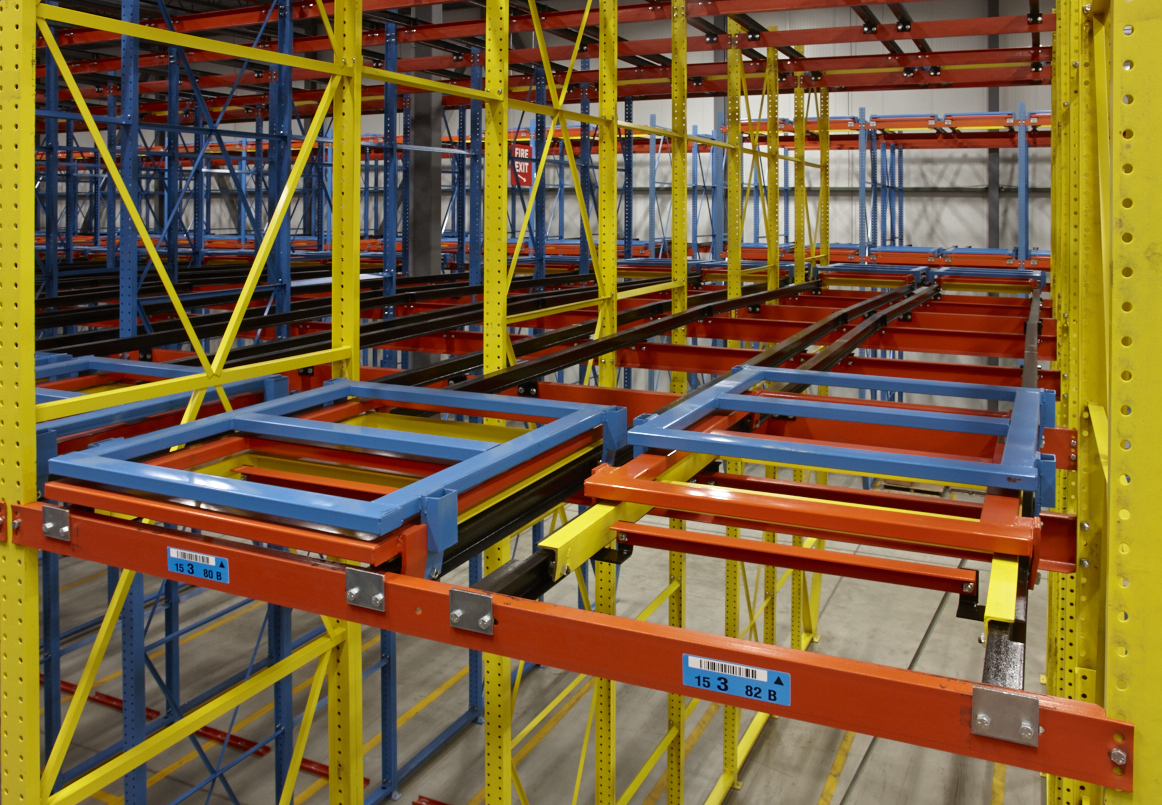
Push-back racking is a high-density storage solution that allows multiple pallets to be stored on inclined rails. When a new pallet is loaded, it pushes the previous one further back. This system follows the LIFO method and is ideal for businesses looking to maximize space while maintaining efficient retrieval processes.
Cantilever Racking
Cantilever racking is designed for storing long, bulky, or irregularly shaped items such as lumber, pipes, and steel bars. The structure features horizontal arms extending from vertical columns, allowing for easy access and efficient organization of large materials. Cantilever racks are widely used in industries such as construction and manufacturing.
Pallet Flow Racking
Pallet flow racking, also known as gravity flow racking, is a dynamic system that uses rollers or wheels to move pallets from the loading end to the picking end. This system operates on a FIFO basis and is ideal for warehouses handling perishable goods or items with expiration dates.
Mezzanine Racking
Mezzanine racking creates additional storage space by adding elevated platforms within the warehouse. This solution maximizes vertical space without the need for expanding the warehouse footprint. It is ideal for businesses looking to increase storage capacity while maintaining floor-level operations.
Benefits of Warehouse Rack Storage Solutions
Maximized Storage Space
Warehouse racking systems optimize vertical and horizontal space, allowing businesses to store more inventory without expanding their facilities. High-density racking solutions enable efficient space utilization.
Improved Inventory Management
Well-organized racking systems facilitate better inventory tracking and faster order fulfillment. FIFO and LIFO systems ensure proper stock rotation, minimizing product damage and reducing waste.
Enhanced Safety
Properly installed racking systems reduce the risk of workplace accidents by providing stable and secure storage. Implementing safety measures, such as load capacity limits and rack inspections, ensures a safer working environment.
Increased Efficiency
Efficient racking solutions streamline warehouse operations by reducing handling time and improving access to inventory. This leads to faster order processing and improved productivity.
Cost Savings
Investing in the right racking system can lower operational costs by minimizing storage space requirements, reducing product damage, and improving workflow efficiency. A well-organized warehouse reduces unnecessary labor and increases overall profitability.
Factors to Consider When Choosing a Warehouse Rack Storage System
Warehouse Layout and Space Availability
Assess the available floor space and ceiling height to determine the most suitable racking system. Maximizing vertical space can significantly increase storage capacity without expanding the facility.
Inventory Characteristics
Consider the type, size, and weight of the products being stored. Some racking systems are better suited for lightweight goods, while others are designed to handle heavy or bulky items.
Accessibility and Handling Equipment
Ensure the chosen racking system is compatible with your warehouse’s material handling equipment, such as forklifts and pallet jacks. Easy access to inventory is crucial for efficient operations.
Load Capacity and Durability
Select a racking system with appropriate load-bearing capacity to prevent structural failures. High-quality materials and construction ensure durability and long-term performance.
Compliance with Safety Standards
Adhering to safety regulations and industry standards is essential to avoid workplace hazards. Regular inspections and maintenance help ensure the longevity and safety of the racking system.
Scalability and Future Expansion
Choose a racking system that allows for future expansion and adaptability. A scalable solution enables businesses to adjust storage capacity as their needs grow.
Best Practices for Warehouse Racking Installation and Maintenance
Proper Installation
Ensure that the racking system is installed by professionals to prevent structural weaknesses. Follow manufacturer guidelines and industry best practices for safe and efficient setup.
Regular Inspections
Conduct routine inspections to identify any damage, misalignments, or wear and tear. Addressing issues promptly reduces the risk of accidents and extends the lifespan of the racking system.
Employee Training
Train warehouse staff on proper loading and unloading techniques, weight distribution, and safety protocols. Well-informed employees contribute to a safer and more efficient work environment.
Load Distribution and Weight Limits
Avoid overloading racks beyond their capacity. Distribute weight evenly across shelves to prevent structural damage and ensure stability.
Damage Prevention Measures
Implement protective measures such as rack guards, column protectors, and safety barriers to minimize the risk of impact damage from forklifts and other equipment.
Optimize Your Logistics with Trusted Freight Forwarder Services
Freight forwarder services are your gateway to seamless global shipping. They handle everything from cargo transport and customs documentation to efficient route planning. With expert coordination across air, sea, and land, these services ensure timely deliveries, reduced costs, and streamlined operations, empowering businesses to thrive in international trade.
Conclusion
Choosing the right warehouse rack storage solution is essential for optimizing space, improving efficiency, and ensuring workplace safety. By understanding the different types of racking systems, their benefits, and key selection factors, businesses can create a well-organized warehouse that meets their operational needs. Implementing best practices for installation and maintenance further enhances the longevity and performance of the racking system, ultimately contributing to a more productive and cost-effective storage solution.