

Owners often ask which waterproofing membrane is best, as if one product could win every job. In reality, each membrane type suits particular surfaces, exposures and budgets, and the wrong choice can fail early even when it is installed perfectly. Understanding the main options for waterproofing membrane singapore projects helps you judge a contractor’s recommendation and ask the right questions about application and maintenance before work begins.
What a Membrane Actually Does
A waterproofing membrane is a continuous layer that stops water passing into a structure. It has to bridge small cracks, cope with movement as the building heats and cools, and resist sunlight, foot traffic or standing water depending on where it is used. No membrane does all of these equally well, which is why the choice should start with the conditions rather than the product name.
The Main Membrane Types
Most projects in Singapore use one of a few membrane families:
- Torch-on bituminous membranes, heat-welded in overlapping rolls
- Liquid-applied polyurethane coatings that cure into a seamless layer
- Cementitious coatings, common in wet areas and tanks
- Acrylic coatings, often used on exposed roofs for UV resistance
- Polyurethane injection and nano water-repellent coatings for cracks and porous surfaces
Torch-On Membranes
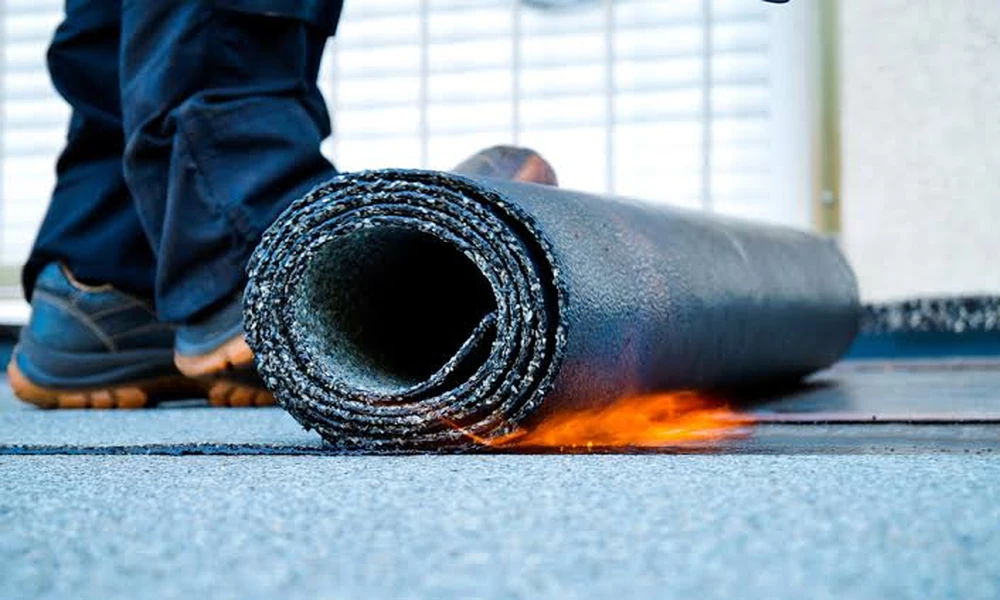
Torch-on membranes are modified bitumen sheets bonded to the surface with a propane torch. They are thick, durable and widely used on concrete flat roofs. Their strength depends heavily on the quality of the laps where rolls overlap, so workmanship matters. Many come with a mineral or foil finish to protect against sunlight. Because the work involves open flame, safety around adjacent materials needs careful planning.
Liquid-Applied Polyurethane
Polyurethane coatings are applied as a liquid and cure into a flexible, seamless layer. That makes them well suited to roofs with many pipes, vents and corners, where sheet laps would be awkward. They handle movement well. Their performance depends on applying the correct thickness, often in several coats, so asking how thickness will be measured is a sensible question when comparing waterproofing membrane singapore quotes.
Cementitious Coatings
Cementitious systems mix a cement-based powder with a polymer liquid. They bond well to concrete and are commonly used in bathrooms, kitchens, water tanks and below tiles. They are simple to apply and relatively affordable, but most are less flexible than polyurethane, so they suit areas with limited movement and protection from direct sun.
Acrylic Coatings, Injection and Nano Treatments
Acrylic coatings are water-based and often reflective, which helps reduce heat on exposed roofs. They are easy to recoat but can be less durable under ponding water. Where water is already travelling through cracks or voids inside the concrete, high-pressure polyurethane injection seals the path from within. Nano water-repellent coatings soak into porous surfaces such as walls and leave them breathable while shedding rain. Both suit narrower jobs than the main membranes above.
Matching Membranes to Applications
A simple way to think about the choice is by location:
- Exposed flat roofs: torch-on, polyurethane or acrylic
- Roofs with many penetrations: liquid-applied polyurethane
- Bathrooms and kitchens under tiles: cementitious or polyurethane
- Water tanks: cementitious systems suitable for water contact
- Cracks and voids in concrete: polyurethane injection
How Long Different Membranes Last
Service life varies widely and depends on exposure, thickness and maintenance as much as on the product itself. Exposed roofs in Singapore’s sun and rain age membranes faster than covered areas, while membranes protected beneath tiles or screeds often last much longer. Contractors should be able to give an expected lifespan for the system they recommend, along with the conditions that would shorten it. Treat any claim of a membrane lasting indefinitely with caution, and compare the warranty period with the stated life to see how confident the installer really is.
Preparation and Application Matter Most
Even a suitable membrane fails if the surface is poorly prepared. Concrete should be clean, sound and dry enough for the chosen product, with cracks treated and corners detailed properly. Primers must match the membrane. Ask contractors how they prepare surfaces, how many coats or layers they will apply and how they will treat edges and drains, since most failures begin there.
Maintaining a Membrane Over Time
Membranes last longer with simple care. Keep roof outlets clear, avoid heavy objects or sharp tools on exposed surfaces and inspect after major storms. Small blisters, open laps or worn patches are far cheaper to repair early. Some coatings need periodic recoating to restore UV protection. A short maintenance log makes it easier to plan this and to support warranty claims.
Questions to Ask Before Work Begins
A short list of questions can reveal whether a membrane proposal has been properly thought through:
- Why this membrane type suits the area’s exposure and traffic
- What thickness will be applied and how it will be checked
- How laps, edges, drains and penetrations will be detailed
- Whether a water test will be carried out after application
Clear, specific answers usually indicate a contractor who has installed that system many times before.
Choosing the Right System
Start by describing the area, its exposure and any traffic, then ask contractors to recommend a membrane and explain why it suits those conditions. A supplier offering roof and wet area waterproofing systems with clear application details, thickness checks and written warranty terms will usually deliver a longer-lasting result than a quote that names a product without explaining the choice.