

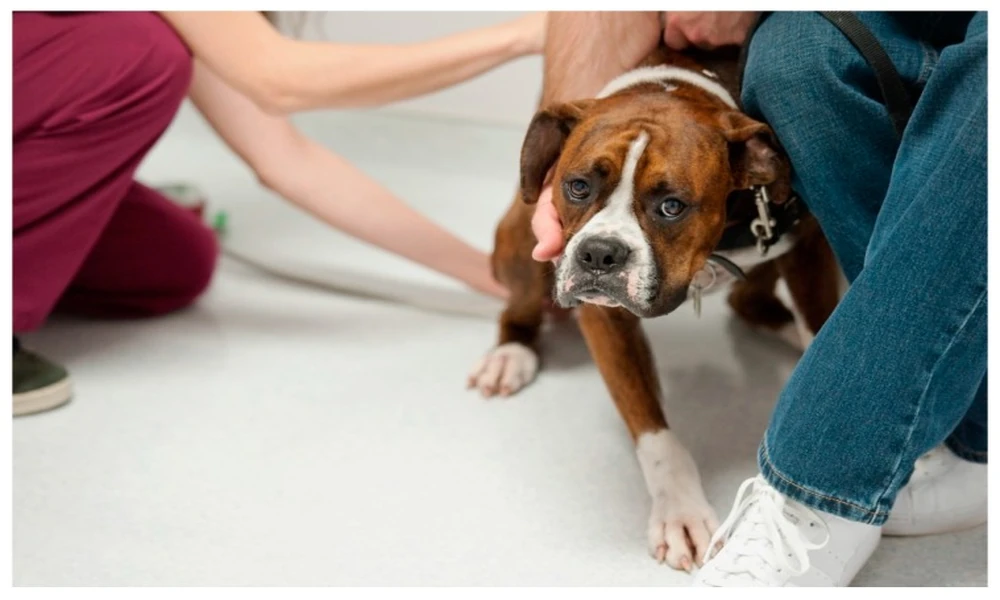
You might already know the pattern. The carrier comes out, your cat disappears, or your dog starts pacing, whining, or shaking before you have even reached the car. By the time you arrive at the clinic, your pet is tense, and you are too. That stress can make a simple visit feel much harder than it should. The good news is that many animal hospitals now use thoughtful, proven ways to ease fear before, during, and after the appointment, especially when working with a fear free certified vet in Alexandria, VA. In simple terms, How Animal Hospitals Reduce Stress For Nervous Pets comes down to calmer handling, better planning, and a setting that respects how animals feel.
If you have ever worried that your pet will be labeled “difficult,” it helps to pause there for a moment. Fear is not bad behavior. It is a response to an unfamiliar place, strange sounds, new smells, restraint, and past memories that may still linger. Because of this tension, you might wonder whether a veterinary visit can ever feel manageable. In many cases, yes, it can.
Why do veterinary visits feel so hard for anxious pets?
For a nervous animal, an animal hospital can feel overwhelming from the first step inside. Dogs may react to barking, slick floors, or the scent of other animals. Cats often struggle with the carrier, the car ride, and then a waiting room filled with noise and motion. A pet that seems calm at home can change quickly once that chain of stress starts.
Then the cycle builds on itself. A frightened pet may resist handling, which can lead to more restraint, which can increase fear. That can affect the exam itself. A racing heart, tense muscles, or defensive behavior may make it harder for the care team to get a clear picture of your pet’s health. In some cases, families delay care because they do not want to put their pet through another upsetting trip. That delay can turn a small issue into a larger one.
So, where does that leave you? It means stress reduction is not just about comfort. It also supports better medical care. Research on fear free and low stress handling in veterinary settings continues to show why this matters for animal welfare and clinical outcomes. You can read more in this review of stress reduction in veterinary care.
How do animal hospitals create a calmer experience from the start?
Many clinics now reshape the visit before the exam even begins. That may include quieter scheduling, shorter wait times, separate spaces for cats and dogs, covered carriers, treats, soft bedding, and staff trained in gentle handling. Instead of pushing through fear, the team watches body language and adjusts the pace.
For dogs, a calmer visit may start in the parking lot, with staff bringing you directly into an exam room or even meeting your dog outside. Cornell offers helpful advice on making veterinary visits less stressful for dogs, including practice trips, rewards, and helping your dog build better associations over time.
For cats and dogs alike, hospitals may also use non slip surfaces, pheromone products, quiet voices, and exam techniques that reduce restraint. If a pet is too distressed, the veterinarian may suggest pre visit medication. That is not a shortcut or a failure. It can be a kind, practical tool that helps your pet feel safer and allows the exam to happen with less fear.
This is where stress free vet visits become more than a nice idea. They become a plan. Virginia Tech shares useful tips for stress free veterinary trips, including carrier training, calm travel routines, and talking with your veterinarian ahead of time if your pet has a history of anxiety.
What practical changes make the biggest difference for nervous pets?
Not every pet needs the same approach, but some strategies tend to help across the board. The table below shows how a standard visit compares with a more fear aware one.
| Part of the Visit | Standard Approach | Low Stress Approach | Why It Helps |
|---|---|---|---|
| Arrival | Wait in lobby | Wait in car or go straight to exam room | Reduces exposure to noise, smells, and other animals |
| Handling | Firm restraint right away | Slow approach with treats, towels, and body language cues | Lowers fear and resistance |
| Environment | Bright, busy, slippery surfaces | Quiet room, non slip mat, covered carrier if needed | Helps pets feel more secure |
| Scheduling | Any open slot | Quieter times or longer appointments for anxious pets | Allows the team to move at the pet’s pace |
| Medication | Only used if things go badly | Planned before the visit when appropriate | Prevents panic instead of reacting to it later |
If you are comparing options, this is often the difference between a visit your pet barely tolerates and one they can recover from more easily. A good animal hospital will not force every patient into the same routine. It will adapt.
What can you do right now to help your pet before the next appointment?
1. Build better associations at home.
Leave the carrier out, place treats or bedding inside, and practice short car rides that do not end at the clinic. For dogs, work on calm leash walking, touch handling, and stepping onto mats or scales. Small, repeated wins matter.
2. Call ahead and describe your pet’s triggers.
Tell the hospital what tends to set your pet off. Is it other dogs, being lifted, nail trims, the carrier, or certain types of handling? Ask whether they offer quieter appointment times, direct room entry, or pre visit medication. This is one of the simplest ways to support low stress veterinary care.
3. Think beyond the exam itself.
Bring high value treats if your pet can have them. Use a familiar blanket. For cats, cover the carrier with a towel and keep it level during transport. For dogs, give them a bathroom break before the visit. If your pet has had a rough history at the vet, ask about a step by step plan instead of trying to do everything in one visit.
Can a nervous pet really learn that the vet is safe?
Often, yes, though it may take time. Some pets improve quickly once the clinic changes its handling and pacing. Others need a series of gentler visits to replace old fear with something more neutral, or even positive. Progress may look modest at first. A dog that enters the room without trembling. A cat that stays in the top half of the carrier instead of pressing into the back corner. Those are real wins.
If your pet dreads appointments, you are not overreacting, and your pet is not being dramatic. Fear has a physical effect, and it deserves care. With the right planning, calmer handling, and a team that pays attention, veterinary visits can become more manageable for both of you.
When you are ready, contact your local animal hospital and ask how they help nervous pets feel safer during visits. That one conversation can change the whole experience.