

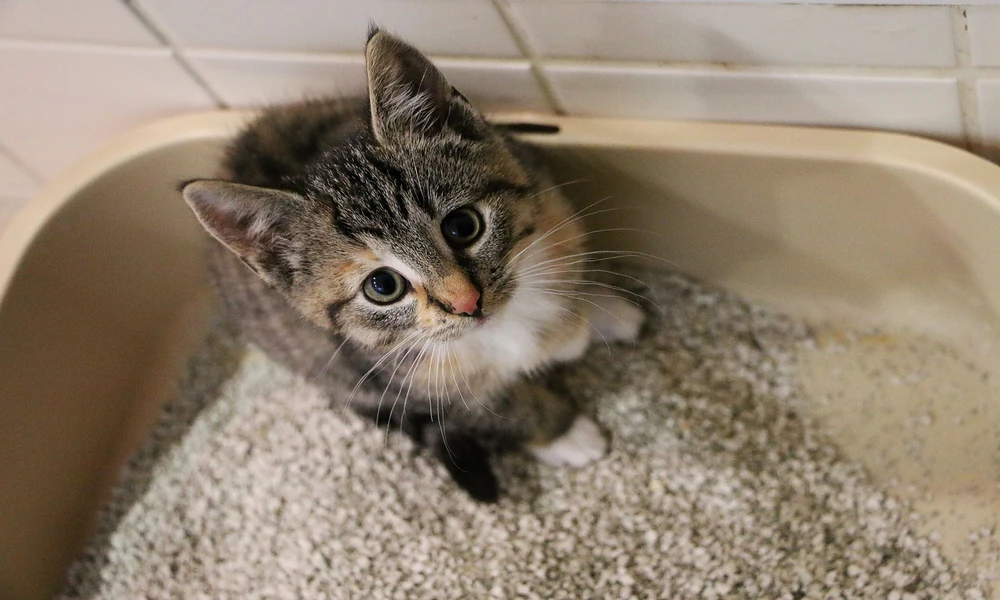
Cats are known to be silent animals when sick. Any developing health problem in a cat cannot be instantly noticed. They are best at hiding their health conditions. You cannot instantly notice if they are in pain.
A pet owner must be suspicious if this happens to them. There is a urinary problem if you see blood in a cat’s urine (貓血尿).
Possible causes of blood in urine in cats
Lower urinary tract
- Bladder stones. It is a cystic calculus where bladder stones form due to excess minerals, such as:
○ calcium
○ phosphate
These minerals clump together. Clumped minerals from tiny crystals become large stones that irritates the bladder lining or the urethra, which causes:
○ painful urination
○ Bleeding
The bladder stones obstruct the urethra. The urine stops exiting the body, which is a medical emergency.
- Feline Lower Urinary Tract Disease. FLUTD causes bloody urine in cats. The condition includes several different conditions related to a cat’s urinary tract. FLUTD causes cats to:
○ strain to urinate
○ urinate frequently
○ have blood in the urine
○ urinate outside the litter box
Feline idiopathic cystitis is the most common cause of FLUTD.
- Prostate disorders. The prostate gland is important for reproduction. It provides the fluid found in ejaculate. Blood in urine is a result of:
○ an enlarged prostate
○ a bacterial infection
- Urinary Tract Infection. It causes blood in the urine. The bacteria entering the body travels to the urethra. It travels to the tract causing inflammation. The bacteria travel until they reach some organs, such as:
- bladder
- kidneys
The other signs of a UTI include:
- straining to urinate
- passing only small amounts of urine
Upper urinary tract
- Idiopathic Renal Hematuria. IRH is a rare chronic condition in cats. The kidneys bleed, which causes the cat to urinate dark red blood.
- Kidney infection. UTIs result in a kidney infection. The bacteria travel from the urethra to the bladder and to the kidneys. The condition is also called pyelonephritis. The kidneys become inflamed, causing:
○ pain
○ fever
○ vomiting
○ reduced appetite
○ excessive thirst
○ excessive urination
- Kidney stones. The cat may not show any signs of having kidney stones unless they pass into the ureter. It blocks the ureter causes serious kidney damage, which can lead to:
○ abdominal discomfort
○ decreased appetite
○ lethargy
○ vomiting
○ blood in the urine
- Polycystic Kidney Disease. PKD is characterized by multiple cysts forming inside the kidneys.
Different colors of blood in cat urine
Blood in cat urine can look in different colors, such as:
- Pink
- Red
- Orange
- Brown
The color depends on how much blood is mixed in or the severity of the condition.
Pink or light red
Pink or light redmeans only a small amount of fresh red blood is mixed into the urine. It is diagnosed as:
- mild infection
- bladder irritation
- early-stage inflammation
Bright red or dark red
Bright red or dark red means fresh bleeding inside the urinary tract. It is caused by:
- bladder stones
- severe infections
- trauma
Orange or rust
Orange or rustmeans a mix of:
- old blood
- concentrated urine
- lower urinary tract disease
Brown or cola color
It means the red blood cells have broken down or there is deep bleeding from the following:
- upper urinary tract
- kidneys
FAQs
How to know if your cat has blood in urine?
A pet owner should check the poop of a cat to see possible urine. You can look for colors, such as:
What does wet poop with blood in urine mean?
A wet poot with blood in urine in cats means they have a problem with their urinary tract.
Is blood in urine in cats deadly?
The condition is fatal if your cat cannot pee. Their bladder might explode when the urine cannot exit or be released.
How to treat blood mixed in a cat’s urine?
Bringing your cat to a veterinarian is the best way to take the right medicines to treat blood in your cat’s urine.