

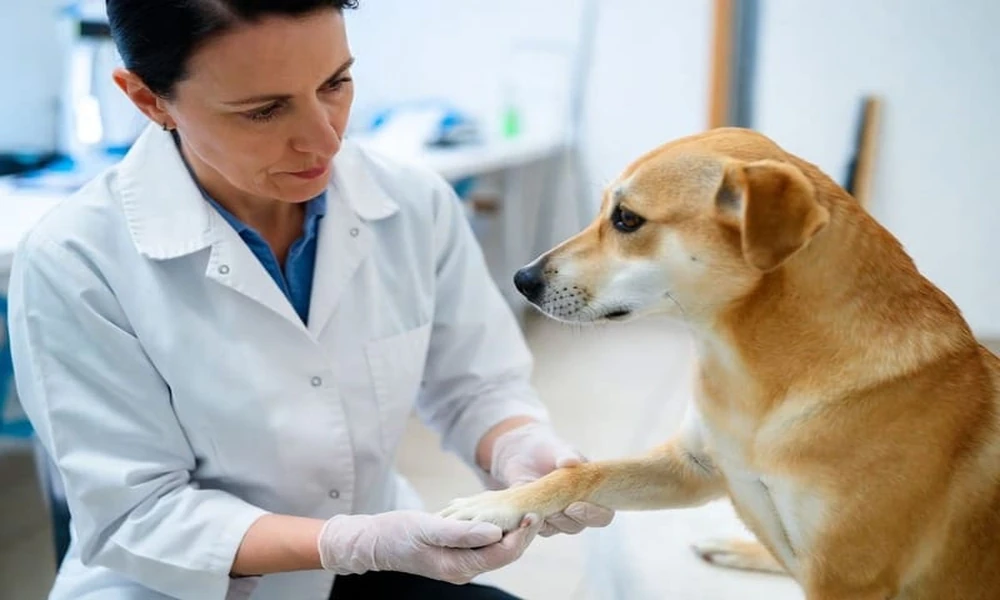
You notice the small changes first. Your dog takes longer to stand up after a nap. Your cat stops jumping onto the bed. Meals are still exciting, but the energy is different, sleep is deeper, and familiar routines start to shift. It can leave you feeling uneasy, because aging often happens slowly until one day it does not feel small anymore. In those moments, finding trusted veterinary care in Carter County, Kentucky can help you support your pet with confidence.
Older pets need more than extra patience. They need care that adjusts to pain, mobility loss, behavior changes, and disease that can hide in plain sight. The good news is that a veterinary clinic can do far more than treat emergencies. The right support helps your pet stay comfortable, active, and connected to daily life for longer.
Senior pet care usually comes down to four things. Clinics track health changes early, manage pain and movement problems, support brain and behavior changes, and guide nutrition and home care so daily life stays manageable for both you and your pet.
Veterinary clinics catch age-related health problems before they spiral
Aging pets are good at masking discomfort. By the time limping is obvious or appetite drops, the issue may already be affecting sleep, mobility, or organ function. That is where routine exams matter. A veterinary clinic looks for subtle shifts you may not see from day to day, including weight loss, dental disease, heart changes, arthritis, kidney strain, and thyroid problems.
This early tracking matters because senior pets rarely deal with one issue at a time. A dog with arthritis may also have early kidney disease, which changes what pain relief is safest. A cat that seems withdrawn may not be “slowing down” at all. She may have hypertension, dental pain, or nausea. Without a clear exam and lab work, it is easy to guess wrong and lose time.
Research also keeps pushing care forward. Cornell’s work on improving quality of life for aging dogs reflects what many pet owners are already living through. Longer lifespans are a gift, but they come with more chronic conditions that need steady, thoughtful management rather than a one-time fix.
Veterinary support for older pets often starts with pain and mobility care
Stiff joints can look like normal aging, but pain changes everything. It affects appetite, sleep, activity, grooming, and mood. Some pets stop climbing stairs. Others slip on hard floors, hesitate before walks, or avoid being touched in places that hurt. When pain is not managed, the rest of life shrinks around it.
Veterinary clinics provide support through pain medication, joint support plans, weight management, physical rehabilitation referrals, and practical home adjustments. That might mean shorter walks more often, rugs for traction, raised food bowls, or ramps instead of stairs. These changes sound simple because they are, and simple often works when it is matched to the pet in front of you.
This is one of the clearest examples of how care for aging pets affects your daily routine. You are not only trying to add years. You are trying to protect comfort in the hours your pet actually lives, getting up, eating, resting, and greeting you at the door.
Behavior and cognitive changes need medical attention, not guesswork
When an older pet starts pacing at night, staring at walls, forgetting house training, or seeming lost in familiar rooms, many owners feel a mix of fear and guilt. You may wonder if you missed something, or if this is just what old age looks like. Some behavior changes are linked to pain, vision loss, hearing loss, or illness. Others may point to cognitive decline.
Clinics help sort out the cause before you assume the worst. A medical workup can rule out conditions that mimic confusion. If cognitive dysfunction is part of the picture, your veterinarian can suggest changes in routine, environmental support, diet, medication, and enrichment that reduce distress. Cornell’s guidance on senior dog dementia shows how disorientation, sleep disruption, and altered social behavior can appear gradually, then start affecting the whole household.
That support matters because behavior changes do not stay neatly in one corner of life. If your pet is up all night, anxious, or having accidents, you are carrying that strain too. Good veterinary care does not dismiss that. It gives you a plan.
Nutrition and at-home care plans help senior pets stay stable
Older pets often need different calories, different protein balance, more hydration support, or food that works around dental pain and digestive changes. A generic “senior formula” is not always enough. A pet with kidney disease needs different nutritional support than one with arthritis or diabetes, and a pet losing muscle may need a different approach than one gaining weight from reduced activity.
Veterinary clinics also help with the practical side of home care. That includes medication schedules, monitoring signs that should trigger a recheck, and setting realistic goals. Sometimes the goal is better mobility. Sometimes it is keeping nausea under control. Sometimes it is preserving a calm bedtime routine so everyone can sleep.
| Area of Support | What You Might Notice at Home | How a Veterinary Clinic Helps |
|---|---|---|
| Early disease screening | Weight loss, thirst changes, lower energy, bad breath | Exams, bloodwork, urine testing, blood pressure checks, dental evaluation |
| Pain and mobility | Stiffness, limping, slipping, reluctance to jump or climb | Pain control, joint plans, rehab guidance, weight management, home safety tips |
| Cognitive and behavior changes | Night waking, confusion, pacing, accidents, clinginess or withdrawal | Medical rule-outs, cognitive support, routine changes, behavior management |
| Nutrition and daily care | Picky eating, vomiting, muscle loss, trouble chewing, medication stress | Diet changes, feeding strategies, hydration support, monitoring plans |
Small actions now can make senior pet care easier later
Schedule a senior wellness visit. If your pet is showing any change in movement, appetite, sleep, thirst, bathroom habits, or behavior, book an exam. Bring a short list of what has changed and when it started. Patterns help more than memory.
Record one week of daily habits. Track eating, drinking, energy, sleep, accidents, coughing, and mobility. Video can help too, especially if your pet limps only after rest or seems confused at certain times of day. This gives your veterinarian a clearer picture than a single stressed appointment.
Make the home easier to move through. Add rugs on slick floors, keep food and water easy to reach, raise bowls if needed, and create a quiet resting area. These changes support any treatment plan and often reduce strain right away.
Getting older does not mean your pet stops enjoying life. It means the support needs to get smarter, gentler, and more consistent. Veterinary clinic care can help you understand what is changing, what can be treated, and how to keep your pet comfortable through each stage. If your pet is slowing down or acting differently, now is the time to schedule a visit and get a plan in place.