

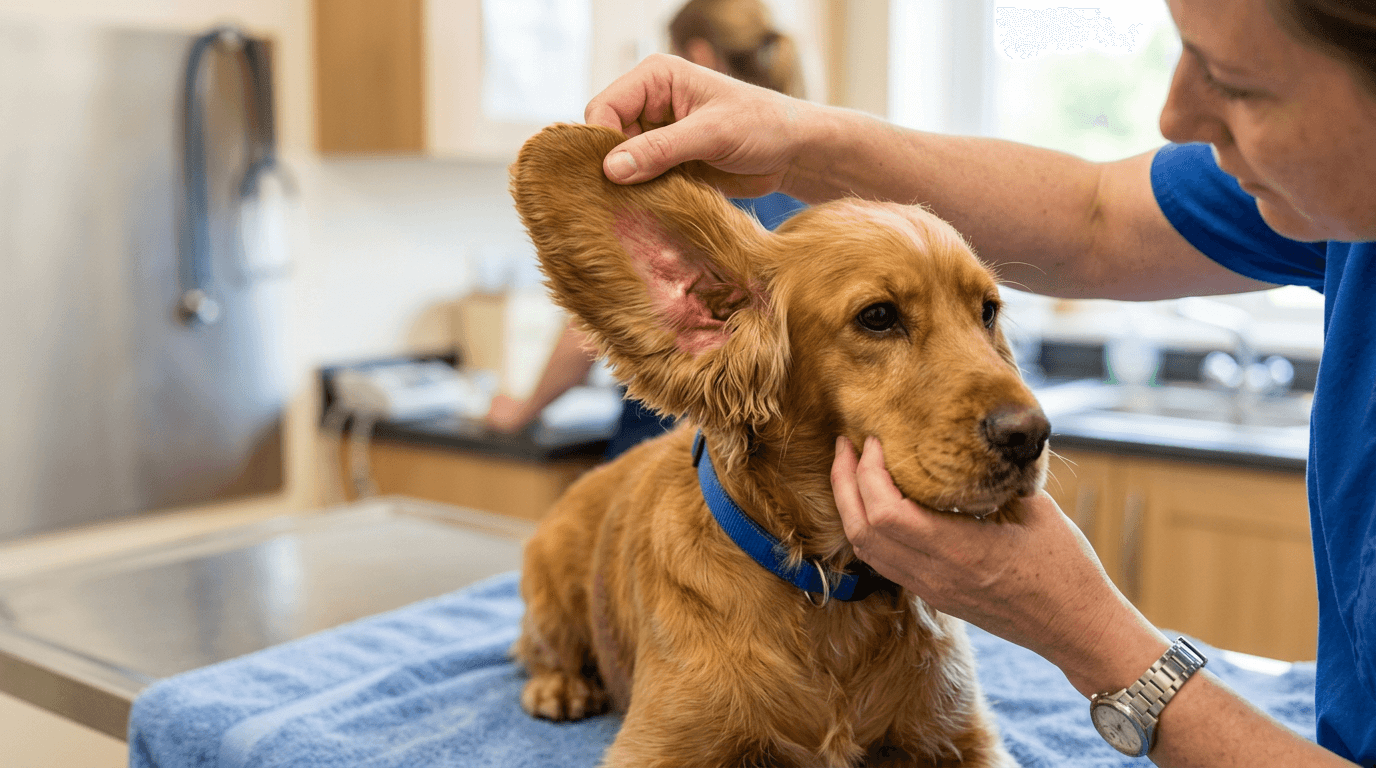
You notice it in a quiet moment. Your dog starts trembling on the couch, or your cat shakes for no clear reason, and your mind goes straight to the worst case. That reaction is normal. Unexplained shaking in a pet is unsettling because it can mean something mild, or it can point to pain, toxin exposure, neurologic disease, or seizure activity, helping pets stay healthy in Lincoln, Nebraska.
A general veterinarian starts with one goal, which is to sort out what kind of shaking your pet is having and how urgent it is. Some pets tremble because they are cold, scared, or nauseated. Others shake because they hurt, have low blood sugar, or are having a seizure. The first visit is usually less about instant answers and more about narrowing the list safely and quickly.
General veterinarians separate normal trembling from medical warning signs
Shaking is a broad symptom, not a diagnosis. That is why a general veterinarian looks at the whole picture instead of the movement alone. They want to know when it started, how long it lasts, whether your pet stays aware during it, and what was happening right before it began. A dog that trembles during fireworks tells a different story than a dog that suddenly collapses, paddles, and seems unaware of its surroundings.
This is where many owners feel stuck. You saw something alarming, but it may have stopped by the time you got to the clinic. Your pet may even look completely normal during the exam. That does not make the event less real. It just means your veterinarian has to rebuild the moment from your description, your pet’s history, and the physical exam.
Pets with unexplained trembling are often assessed for pain, fever, weakness, toxin exposure, nausea, neurologic changes, and metabolic problems. The exam may include checking temperature, heart rate, hydration, gum color, reflexes, posture, gait, and signs of abdominal or joint pain. If your pet is disoriented, drooling, vomiting, stumbling, or losing bladder control, the concern rises quickly.
One of the biggest distinctions is whether your pet is trembling or having a seizure. During a seizure, many pets lose awareness, fall over, paddle, drool, urinate, or seem confused afterward. The University of Illinois offers a helpful overview of signs that a pet may be having seizures. Ohio State also explains epilepsy and seizure disorders in a clear way. Those signs help owners describe what they saw, which makes the first veterinary visit more useful.
Unexplained shaking or trembling can come from many different causes
This is what makes unexplained shaking or trembling hard to judge at home. The same outward sign can come from very different problems. A small dog may shake from fear during a storm. Another may tremble because of pancreatitis, back pain, or poisoning. A cat may quiver because of stress, but muscle tremors can also show up with low blood sugar, kidney disease, or neurologic trouble.
Age matters. Young pets may shake from congenital issues, toxin exposure, or low blood sugar. Older pets bring a different list, including arthritis pain, organ disease, cognitive changes, and brain disorders. Breed matters too. So does timing. Shaking after exercise suggests one path. Shaking after getting into the garage or chewing a new product suggests another.
Cost is often part of the stress. You may wonder if this is a simple office visit or the start of advanced testing. General veterinarians usually work in steps. If the exam points to a clear cause, treatment may begin right away. If the cause is not obvious, bloodwork, urine testing, X-rays, blood pressure checks, or referral to emergency or neurology care may follow. That approach keeps testing targeted instead of random.
Veterinarians use observation and basic diagnostics to guide next steps
A video from your phone can be one of the most useful tools you bring. It shows your veterinarian what the episode looked like before your pet settled down. That matters because there is a big difference between fine trembling, full-body muscle tremors, weakness, collapse, and seizure activity. Owners often describe all of it as shaking, but the pattern changes the medical plan.
| What you notice at home | What a veterinarian considers | Common next step |
|---|---|---|
| Shaking but alert and responsive | Fear, pain, nausea, cold, mild illness | Physical exam, history, symptom review |
| Trembling with vomiting or diarrhea | Toxin exposure, abdominal pain, pancreatitis, metabolic disease | Exam, bloodwork, possible imaging |
| Shaking with weakness or stumbling | Neurologic disease, low blood sugar, toxin, inner ear issues | Neurologic exam, lab tests, urgent care if worsening |
| Collapse, paddling, loss of awareness, confusion after event | Seizure or seizure-like event | Immediate veterinary evaluation, possible emergency care |
| Repeated episodes with normal behavior between them | Intermittent pain, focal seizures, movement disorder | Video review, baseline testing, monitoring plan or referral |
This is the core of veterinary assessment of pet tremors. A general practice vet does not guess based on one symptom. They compare the movement, the pet’s awareness, the exam findings, and the test results. That process is how a broad symptom becomes a working diagnosis.
Three steps you can take before and during the veterinary visit
Record the episode. If it is safe, take a short video. Try to capture your pet’s face, body position, ability to walk, and whether they respond to their name. Note the time, how long it lasted, and what happened after.
Write down possible triggers. Include new foods, medications, supplements, flea products, household chemicals, trash access, exercise, stressful events, and any recent injuries. This helps when a pet shaking evaluation depends on small details you may forget in the moment.
Know when not to wait. Go in right away if the shaking comes with collapse, trouble breathing, pale gums, repeated vomiting, toxin exposure, severe pain, high heat, or seizure signs. If an episode lasts more than a few minutes or repeats close together, treat it as urgent.
Early evaluation gives your pet the best chance at relief
Shaking and trembling can look dramatic even when the cause is treatable, and they can look mild when the cause is serious. That is why prompt care matters. A general veterinary exam helps sort fear from pain, tremors from seizures, and short-lived stress from a medical problem that needs treatment.
You do not need to figure it out alone at home. If your pet is shaking and you cannot explain why, schedule an exam with a general veterinarian and bring every detail you have, especially video. Clear information often leads to faster answers and a calmer plan for what comes next.