

You might be feeling that mix of worry and hope that comes any time your pet needs surgery, especially as you search for an animal surgery specialist in Chicago. One moment you are focused on the diagnosis, and the next you are thinking about anesthesia, infection, pain, recovery, and all the things that could go wrong. That reaction makes sense. When a pet is heading into a procedure, even a routine one, it is hard not to imagine the before and after in the same breath.
The good news is that a skilled surgical veterinarian does not walk into the operating room and simply begin. Careful planning happens well before the first incision, and close monitoring continues long after the procedure ends. In simple terms, the 4 key steps surgical veterinarians take to prevent complications are preoperative assessment, strict sterile technique, safe anesthesia and monitoring, and thoughtful recovery care. When these steps are handled well, your pet has a stronger chance at a smoother outcome.
Why can surgery feel so stressful, even when the procedure is common?
Part of the stress comes from how much is out of your hands. You are trusting a team to manage pain, protect your pet during anesthesia, control bleeding, reduce infection risk, and spot problems early. Because of that, even a standard spay, mass removal, or orthopedic repair can feel overwhelming.
So where does that leave you? It helps to understand what a surgical veterinarian is actually doing behind the scenes. Complications rarely come from one single issue. More often, they stem from a chain of small risks that build on each other. A hidden heart condition can change anesthesia needs. Poor sterile control can raise infection risk. A rough recovery can lead to wound problems or delayed healing. Prevention means interrupting that chain at every stage.
This is also why antibiotic use has to be thoughtful, not automatic. According to the CDC guidance for veterinarians on preventing antimicrobial resistance, careful infection prevention and responsible antibiotic use help protect both animal health and treatment effectiveness. In other words, the goal is not just to give more medicine. It is to use the right tools, at the right time, for the right reason.
What happens before surgery to lower risk from the start?
The first of the 4 key steps surgical veterinarians take to prevent complications happens before your pet is even prepped for surgery. A thorough preoperative assessment helps the team catch problems early. This can include blood work, imaging, a physical exam, medication review, and a conversation about your pet’s age, breed, and medical history.
Why does this matter so much? Imagine a dog with mild kidney changes that are not obvious at home, or a cat that seems calm but is actually dehydrated. If those issues are found before surgery, the team can adjust fluids, anesthesia drugs, pain medication, and monitoring plans. If they are missed, recovery may be harder than it needs to be.
This is one reason advanced veterinary surgery often feels so methodical. The process is designed to reduce surprises. The more the team knows going in, the fewer preventable setbacks your pet may face later.
How do sterile technique and anesthesia safety work together?
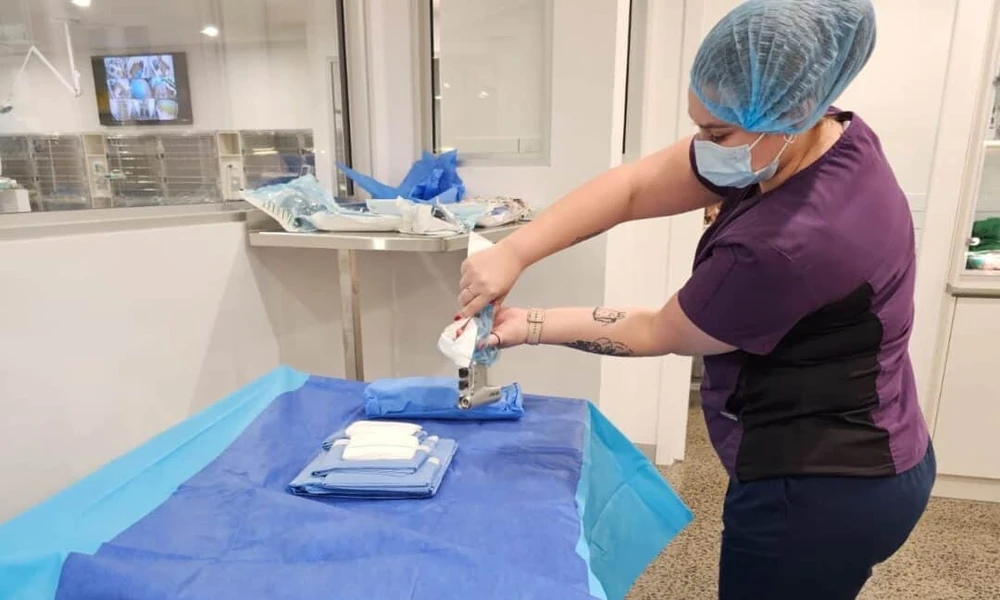
Step two is strict sterile technique. The surgical site is clipped and cleaned, instruments are sterilized, and the team follows careful protocols in the operating area. This lowers the chance that bacteria enter the wound. It also supports better healing, less inflammation, and fewer post operative setbacks.
Step three is safe anesthesia and constant monitoring. This part matters because surgery is not only about the procedure itself. It is also about maintaining breathing, blood pressure, temperature, oxygen levels, and pain control throughout. A veterinary surgical specialist or trained surgical team watches these details closely so changes can be addressed right away, not after they become serious.
What if your pet’s blood pressure drops during surgery, or their body temperature starts to fall? Those are the kinds of shifts the team is trained to catch in real time. Prevention is often quiet and invisible. It looks like a monitor alarm, a dose adjustment, warm support, or extra fluids given at exactly the right moment.
What does recovery care prevent after the procedure is over?
Step four is recovery and post anesthesia care, and it is often the step pet owners underestimate. Many complications show up after surgery, not during it. Pain can slow healing. Nausea can affect eating and hydration. Too much activity can strain sutures. Too little observation can allow bleeding, swelling, or breathing problems to go unnoticed.
That is why careful recovery plans matter. A useful example comes from UC Davis guidance on post anesthesia care, which highlights close monitoring of temperature, heart rate, respiration, pain, and comfort during the recovery period. This stage is not an afterthought. It is part of the surgery itself.
| Preventive Step | What the Team Does | What It Helps Prevent |
|---|---|---|
| Preoperative assessment | Exam, lab work, imaging, medication review | Hidden health issues, poor anesthesia fit, avoidable delays |
| Sterile technique | Site prep, sterile instruments, clean surgical protocols | Infection, wound contamination, slower healing |
| Anesthesia and monitoring | Track oxygen, blood pressure, temperature, heart rate, pain | Respiratory problems, low blood pressure, temperature loss |
| Recovery care | Pain control, observation, discharge instructions, follow up | Bleeding, wound issues, unmanaged pain, delayed recovery |
What can you do right now to support a safer surgical outcome?
1. Ask clear pre surgery questions. Ask what testing is recommended, how pain will be managed, what monitoring will be used, and what recovery risks are most common for your pet’s procedure. Clear answers can ease anxiety and help you make informed choices.
2. Share every detail about your pet’s health. Mention supplements, past reactions to medications, appetite changes, coughing, vomiting, or recent illness. Small details can change the surgical plan in important ways.
3. Follow discharge instructions closely. Restrict activity if advised, give medications exactly as directed, check the incision daily, and call if something feels off. A lot of complication prevention happens at home, once your pet is back in your care.
When you understand the process, can surgery feel a little less overwhelming?
It probably will not erase the worry completely, and that is okay. But understanding these four steps can make the experience feel less uncertain. A careful surgical team is working to prevent problems before they start, respond quickly if something changes, and guide recovery with the same attention they bring to the procedure itself.
If your pet is facing surgery, trust your questions and speak up about your concerns. The right support often begins with a conversation, and that conversation can help you move forward with more confidence and a little more peace.