

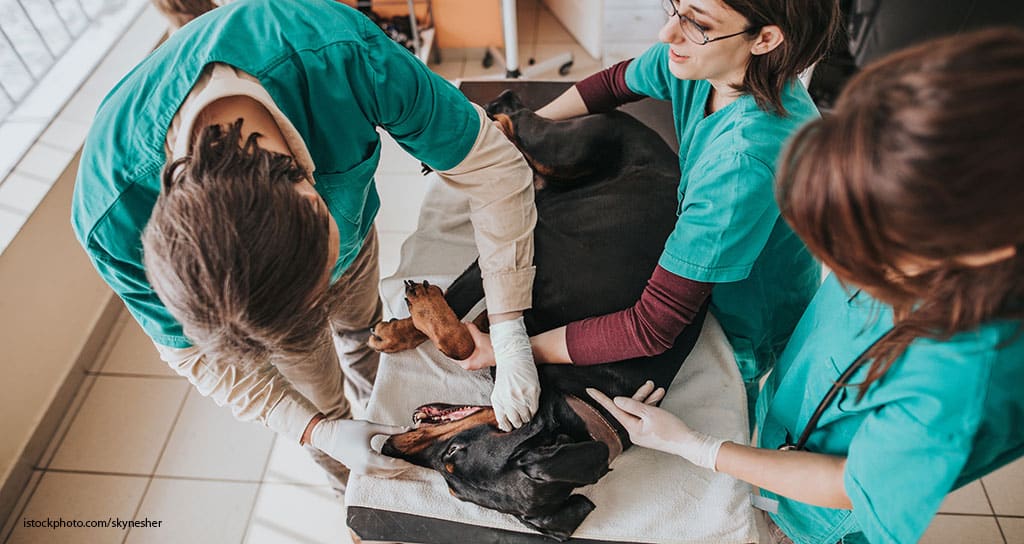
You notice something is off, maybe your dog is vomiting, your cat has stopped eating, or your pet is limping and suddenly not acting like themselves. You call a veterinary clinic hoping for a quick answer about pet care in Ozark, Alabama, and instead you hear words like same day visit, urgent care, triage, technician assessment, or emergency referral. That can feel frustrating when all you want is to get your pet seen right away.
The hard truth is that not every pet problem is handled in the order calls come in. Vet clinics sort cases by medical need first, then by schedule. That is how same day vet appointments and triage usually work. Pets with breathing trouble, seizures, collapse, major bleeding, toxin exposure, or blocked urination move up fast. Pets with ear infections, mild vomiting, skin issues, or limping without severe pain may still be seen the same day, but they often wait longer or get directed to urgent care.
If you have ever wondered why one pet gets rushed through the door while another is asked to wait, it is not about whose concern matters more. It is about who is least stable in that moment. A good veterinary clinic is trying to protect the sickest animals first while still making room for pets who need prompt care.
Veterinary triage sorts pets by risk, not by convenience
Triage is the process clinics use to decide how quickly a pet needs care. A receptionist may start by asking what symptoms you are seeing, when they started, whether your pet is eating, breathing normally, urinating, walking, or responsive. In many clinics, a technician or nurse reviews that information and helps place the case into a priority level.
This can feel abrupt when you are worried. You may be thinking, “My pet has been sick all night, how is this not an emergency?” Sometimes it is urgent, but not life threatening. A pet with diarrhea for twelve hours needs attention, but a pet that cannot breathe safely cannot wait. That difference is the center of triage.
Many hospitals separate care into routine appointments, urgent care, and full emergency service. The University of Illinois urgent and convenient care service is one example of how veterinary teams handle problems that need same day attention but are not always true emergencies. For life threatening cases, hospitals with dedicated emergency teams, such as the Penn Vet emergency and critical care service, are built for immediate stabilization and around the clock monitoring.
That split matters because many general practices do not have the staff, oxygen support, imaging access, or overnight care needed for severe emergencies. If your clinic refers you out, that is not brushing you off. It often means your pet needs a higher level of care than the clinic can safely provide.
Same day veterinary appointments depend on staffing, timing, and case severity
Vet clinic same day scheduling is rarely a simple open slot on a calendar. Most clinics leave space for urgent cases, but those spaces can fill early. A clinic may also work in urgent pets between wellness visits, surgeries, hospitalized cases, and staff shortages. That is why two people can call with similar concerns and get different answers depending on the hour and the clinic’s capacity.
There is also a money piece that catches people off guard. Same day care often costs more than a routine visit, especially if it involves urgent exam fees, imaging, bloodwork, or transfer to emergency care. When a pet looks stable at home but worsens quickly, owners can feel trapped between wanting answers and worrying about the bill. That tension is common, and clinics hear it every day.
The safest thing you can do is give clear details. Say if your pet is struggling to breathe, has pale gums, cannot stand, keeps vomiting, may have eaten a toxin, or has not urinated. Those facts help the team judge risk fast. Saying your pet is “not acting right” is honest, but it does not give them enough to triage well.
Common triage outcomes at a veterinary clinic
| Situation | Likely Triage Response | Typical Timing |
|---|---|---|
| Breathing distress, collapse, active seizure, major trauma | Immediate emergency referral or direct emergency intake | Now |
| Repeated vomiting, painful abdomen, possible toxin, blocked urination signs | Urgent same day veterinary appointment or emergency referral | Same day, often within hours |
| Limping, ear infection, mild vomiting, skin flare, eye redness | Work in if possible, urgent care, or next available visit based on severity | Same day or next day |
| Nail trim, vaccine update, chronic issue without new decline | Routine scheduling | Next available routine slot |
This is not a strict rulebook. A limping dog with swelling and crying in pain may move up. A vomiting cat that also has diabetes may be treated as far more urgent than vomiting alone. Triage is about the whole picture, not one symptom in isolation.
Clear communication helps the veterinary clinic help your pet faster
When you call, be ready with your pet’s age, breed, symptoms, when they started, any known injury or toxin exposure, current medications, and whether your pet is eating, drinking, urinating, and walking. If your clinic offers photos or video uploads, use them. A short clip of labored breathing or abnormal walking can tell the team more than a long explanation.
It also helps to ask one direct question: should my pet be seen here, seen today somewhere else, or monitored until the next available appointment? That usually gets you a clearer answer than asking if they have “anything open.”
Three steps to take when you need urgent vet care
1. Describe the red flags first. Start with the most serious symptom. Breathing trouble, collapse, pale gums, nonstop vomiting, inability to urinate, seizures, and toxin exposure should be the first words out of your mouth.
2. Ask about the right level of care. If your regular veterinary clinic cannot see your pet, ask whether urgent care is appropriate or if emergency care is safer. That can save hours and reduce the risk of your pet getting worse in the waiting period.
3. Prepare for the visit before you leave. Bring medication lists, toxin packaging, photos of vomit or stool if relevant, and a secure carrier or leash. If your pet may need emergency treatment, call on the way so the team can prepare.
How vet clinics handle same day appointments and triage can feel cold when you are scared, but the system is there to protect the pets in the most danger first. Your concern is still real, even if your pet is not the first one seen. The best next step is to call a veterinary clinic, describe the symptoms clearly, and follow the level of care they recommend.